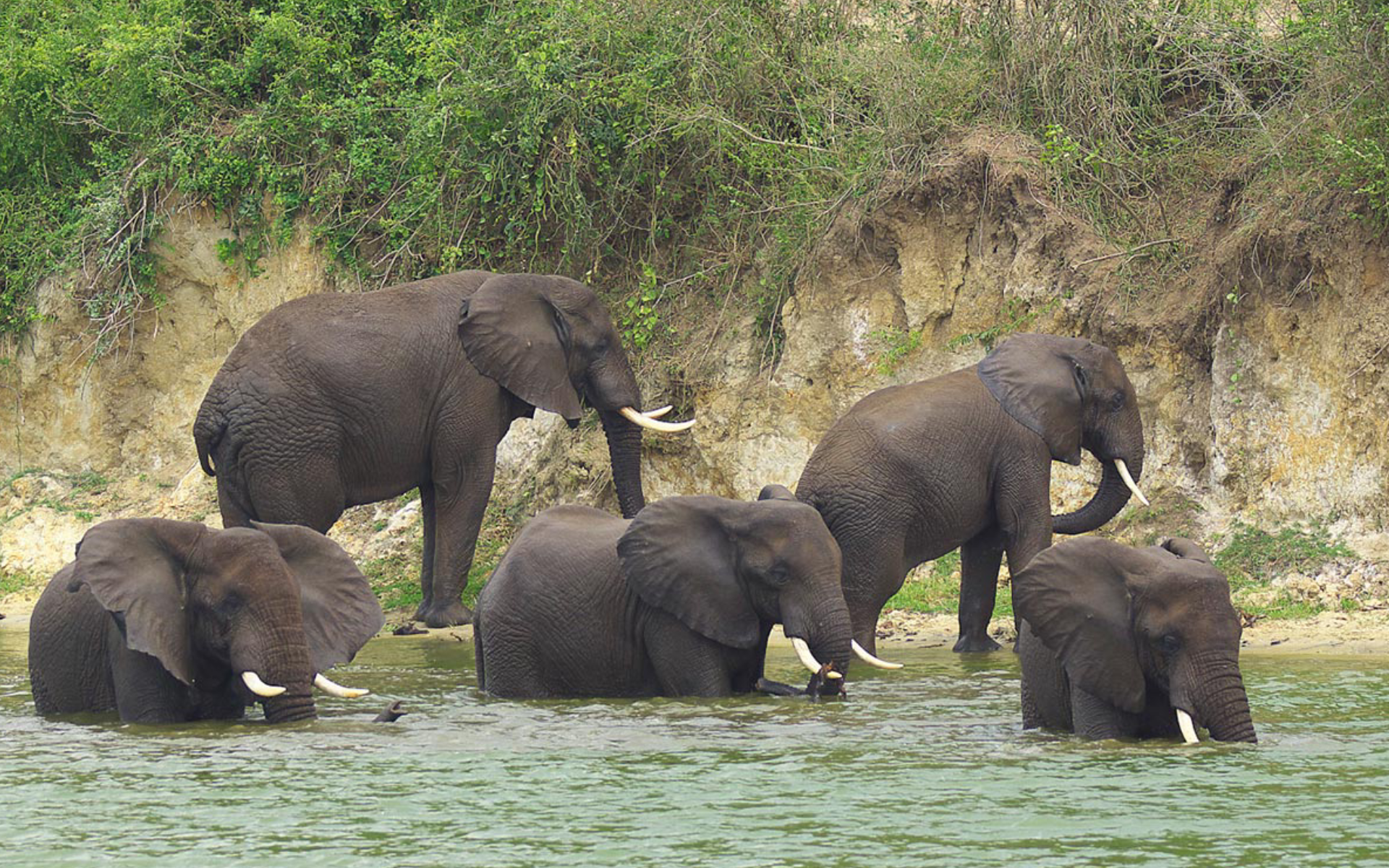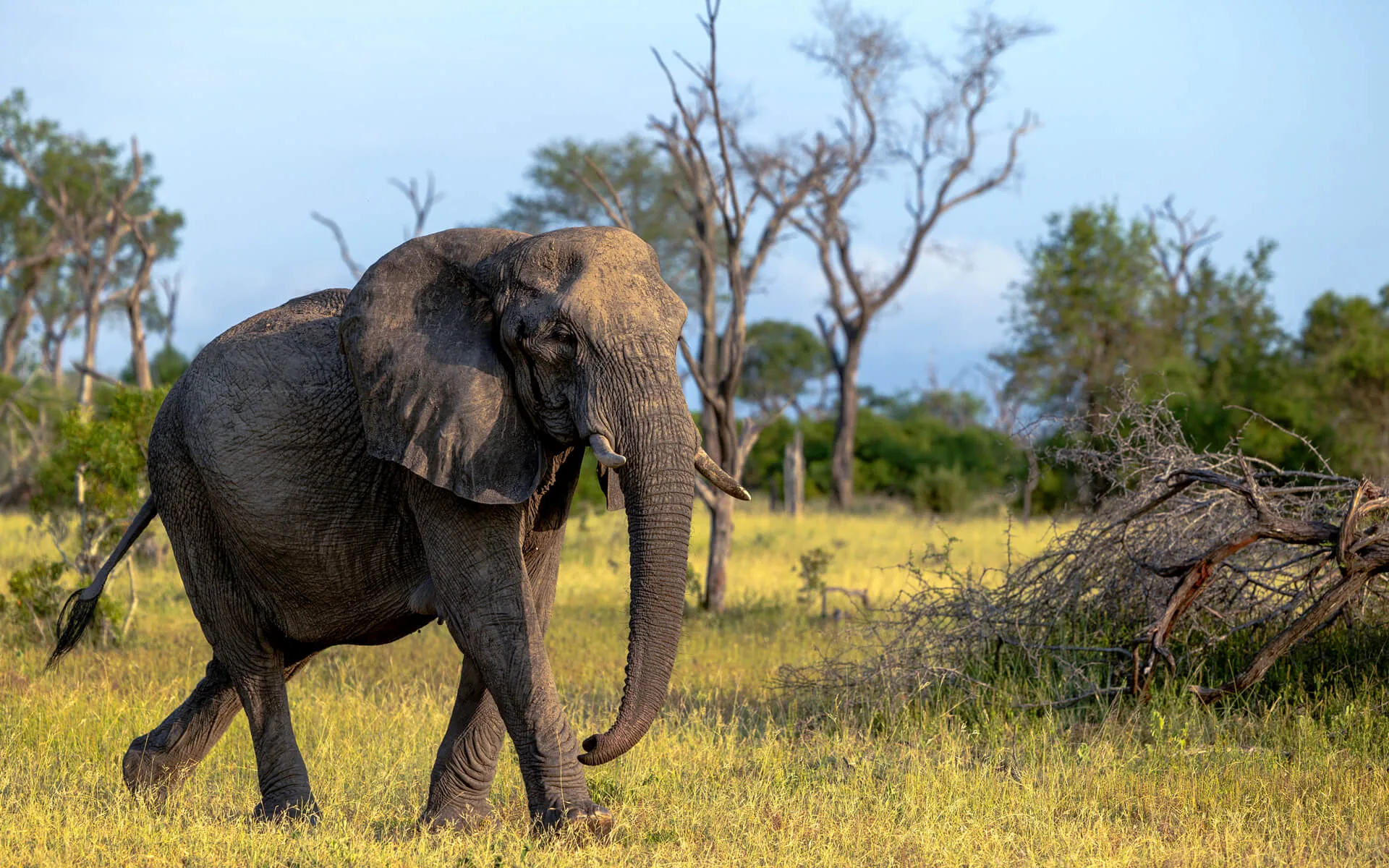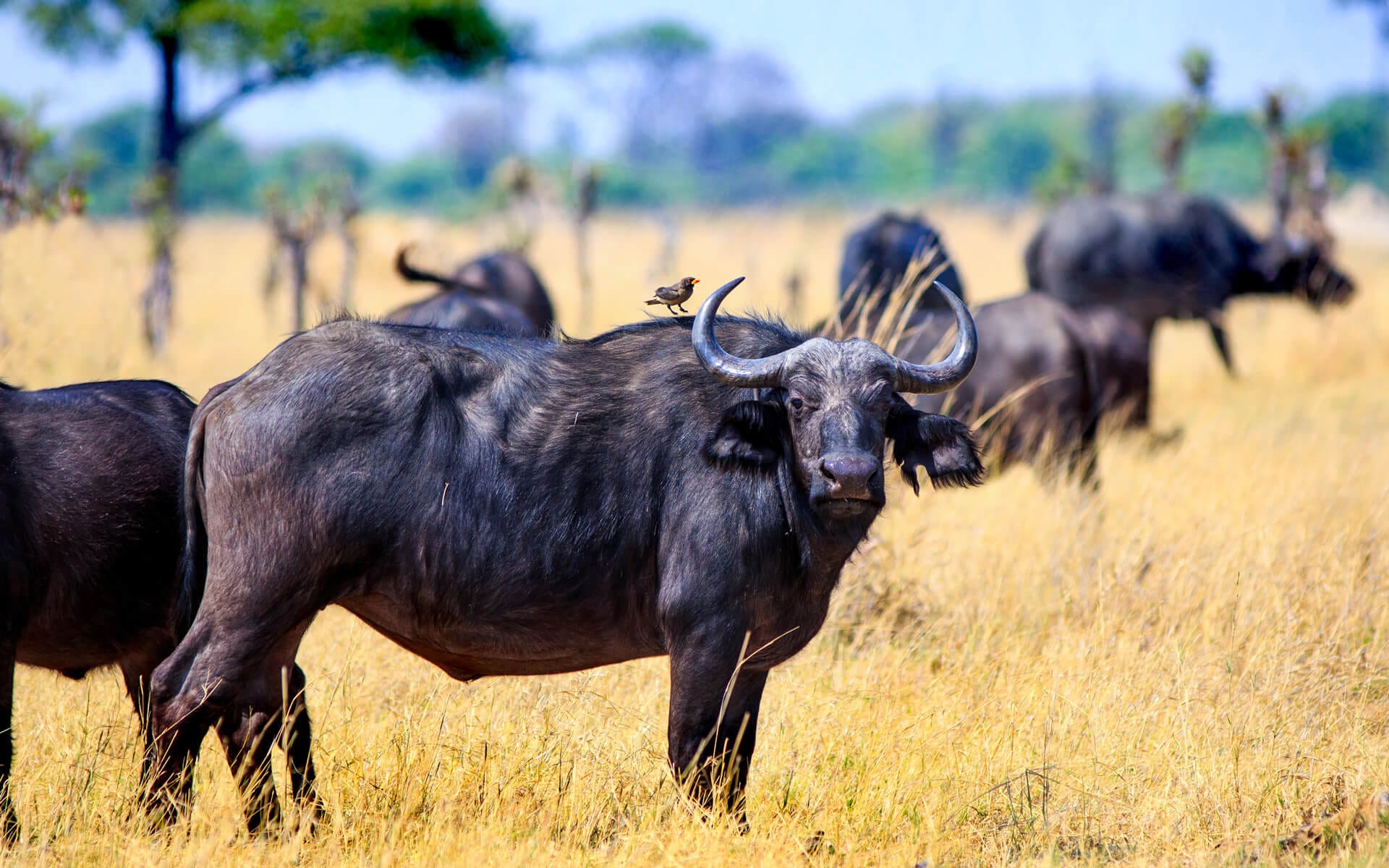

Uganda's most isolated national park sits in the northeastern corner where the country meets South Sudan and Kenya. The Kidepo and Narus valleys cut through semi-arid wilderness that supports species found nowhere else in Uganda, including cheetah, striped hyena, and aardwolf. This remoteness has kept visitor numbers low while preserving a landscape that operates largely undisturbed by human presence. Kidepo supports populations of lions, elephants, and buffalo alongside the dry-country species that distinguish it from Uganda's other reserves. The Narus Valley retains water through dry months, concentrating wildlife along its drainage, while the broader Kidepo Valley remains seasonal. Ostriches move through open ground, and bat-eared foxes occupy territory here at the edge of their range. The Karamojong people maintain a presence on the park's boundaries, their cattle-keeping traditions continuing in a region where pastoralism predates conservation zoning.

Iconic Wildlife

Park Highlights

The Narus Valley concentrates wildlife around permanent water sources during dry months, making it the primary game-viewing zone. Drives take you through open savanna where lion prides hunt buffalo and cheetahs track smaller prey across flat ground. The Kidepo Valley opens seasonally, offering a different character when rains bring animals into its wider expanses.

The park holds Uganda’s only resident cheetah population, alongside occasional wild dog sightings. Morning drives through open savanna give you the best chance of locating cheetahs scanning for prey from termite mounds. These sightings remain less predictable than in East African reserves, making successful tracking more notable.

The semi-arid environment supports species absent from Uganda’s wetter parks, including ostriches, secretary birds, and Kori bustards. The Narus Valley draws raptors and vultures, while the seasonal Kidepo River attracts migrants during wet periods. A drive through both valleys covers dry-country specialists and woodland birds within a single morning.

Visits to Karamojong homesteads offer you contact with a culture organized around livestock, seasonal movement, and warrior traditions. The relationship between the community and the park remains active, with grazing and conservation existing in close negotiation.

Guided walks in the Narus Valley take you into the bush on foot with armed rangers. Walking shifts your focus to tracks, dung, and animal signs that vehicles pass without stopping for. The open terrain allows visibility while the permanent water sources increase the likelihood of encountering wildlife at close range.

Our Immersive Safaris

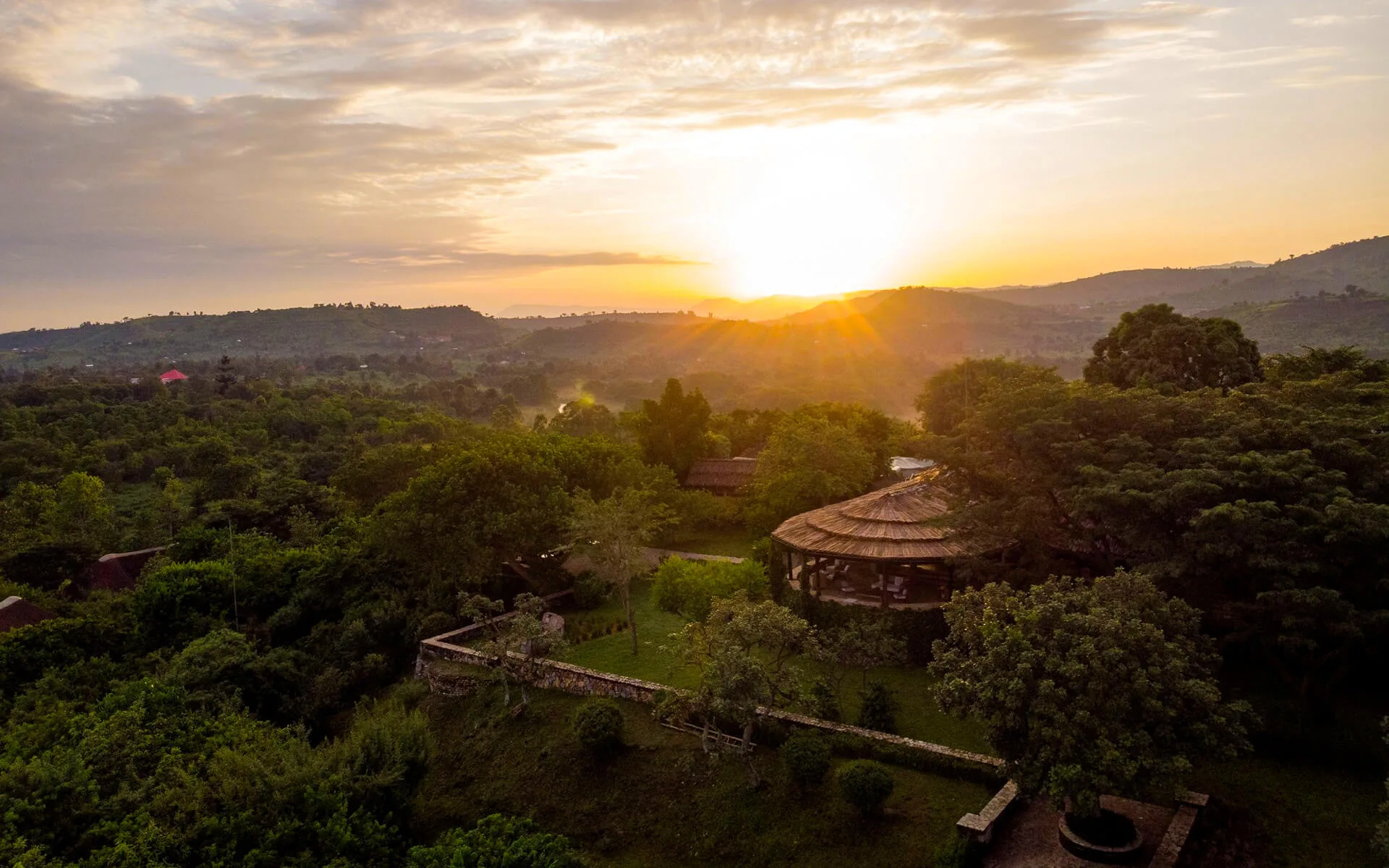
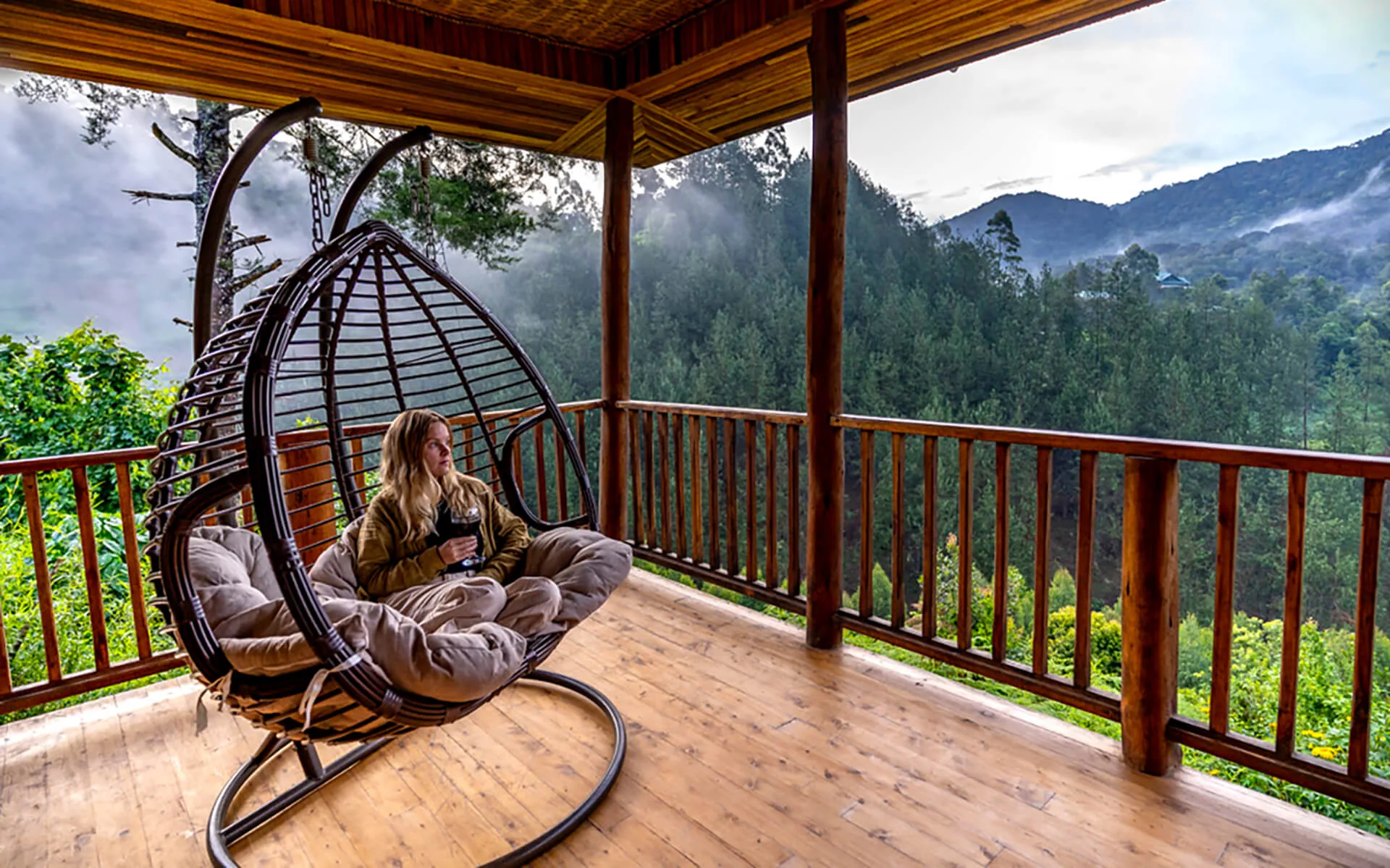
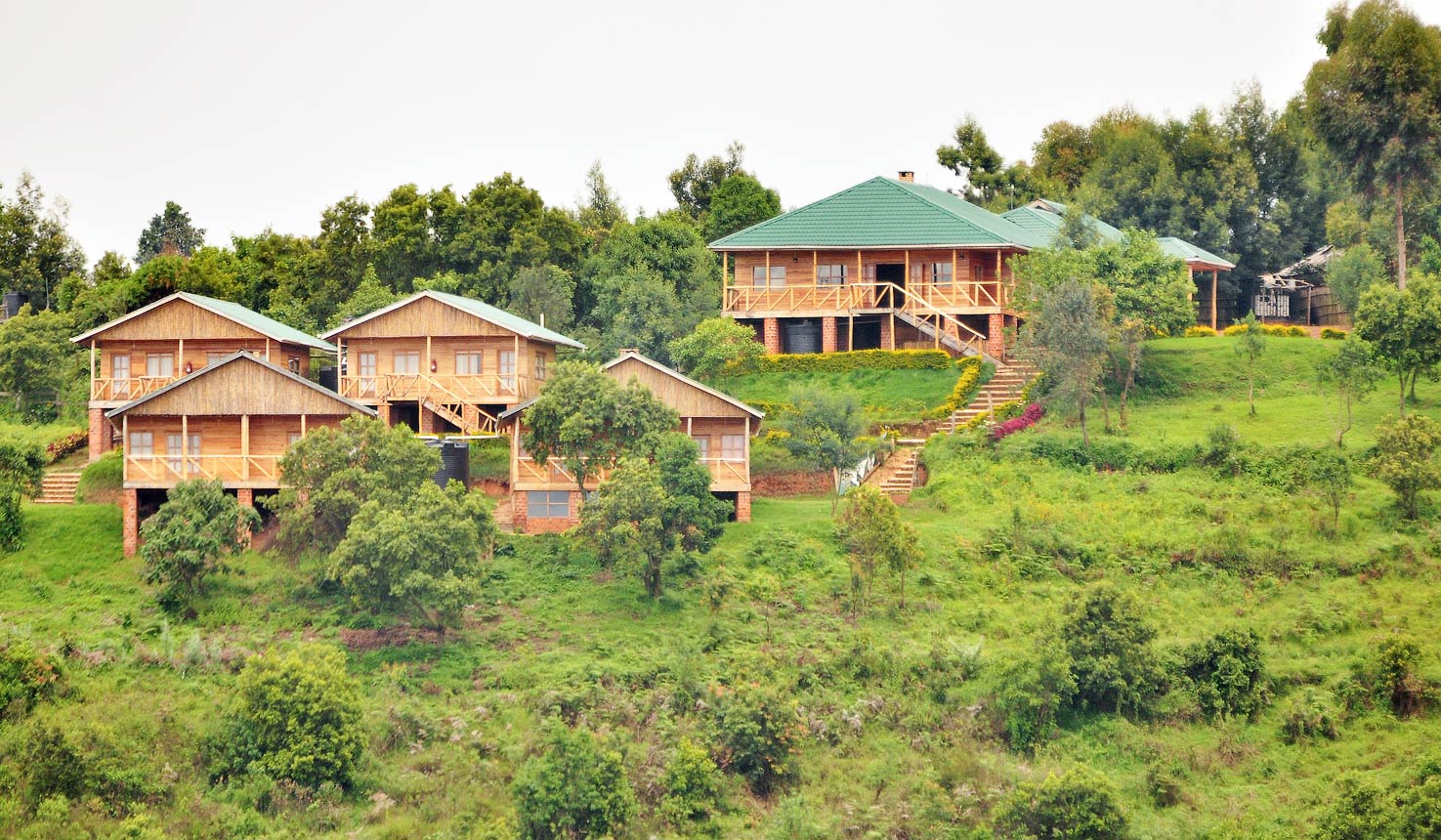
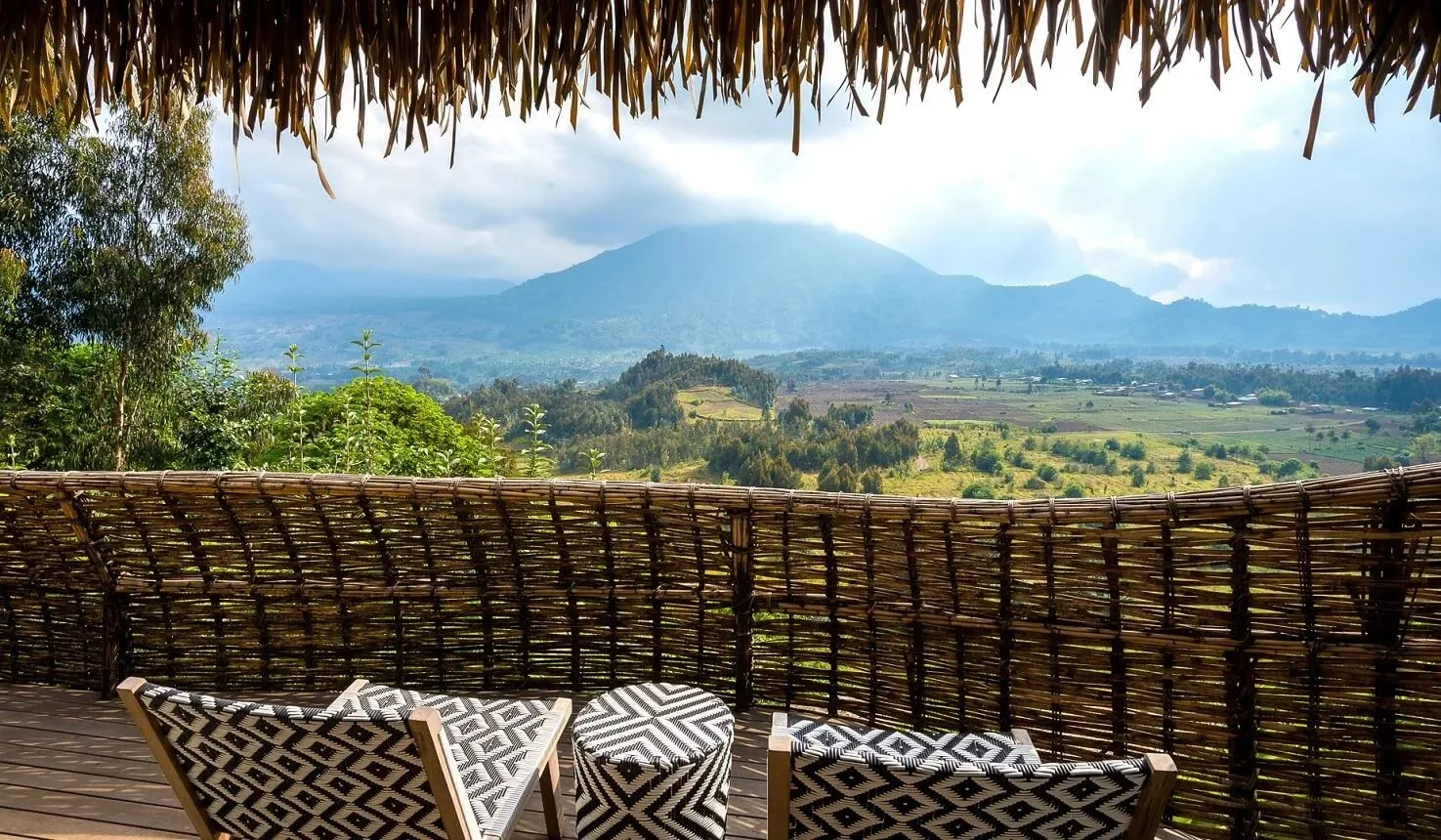
Where You'll Stay
s

Design Your African Journey

Tell us when you would like to travel, the landscapes that inspire you, and the experiences you hope to encounter. Our team will create a thoughtfully tailored safari across East Africa.

Plan You Trip