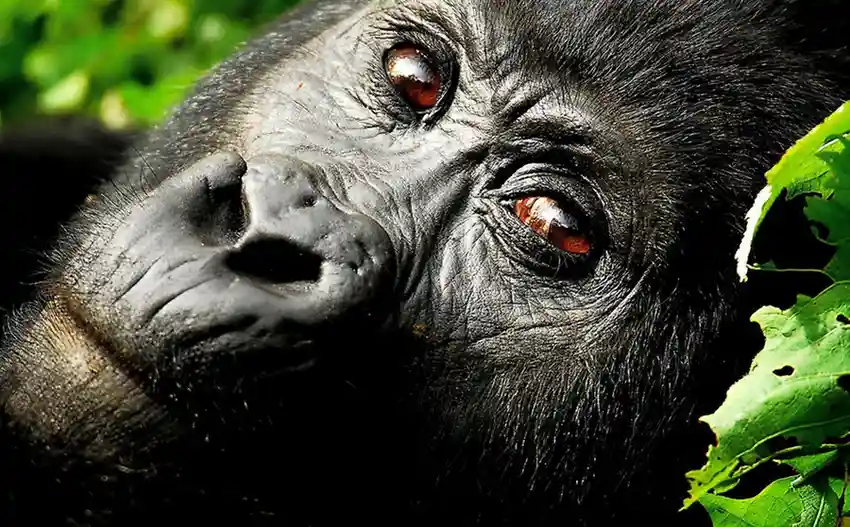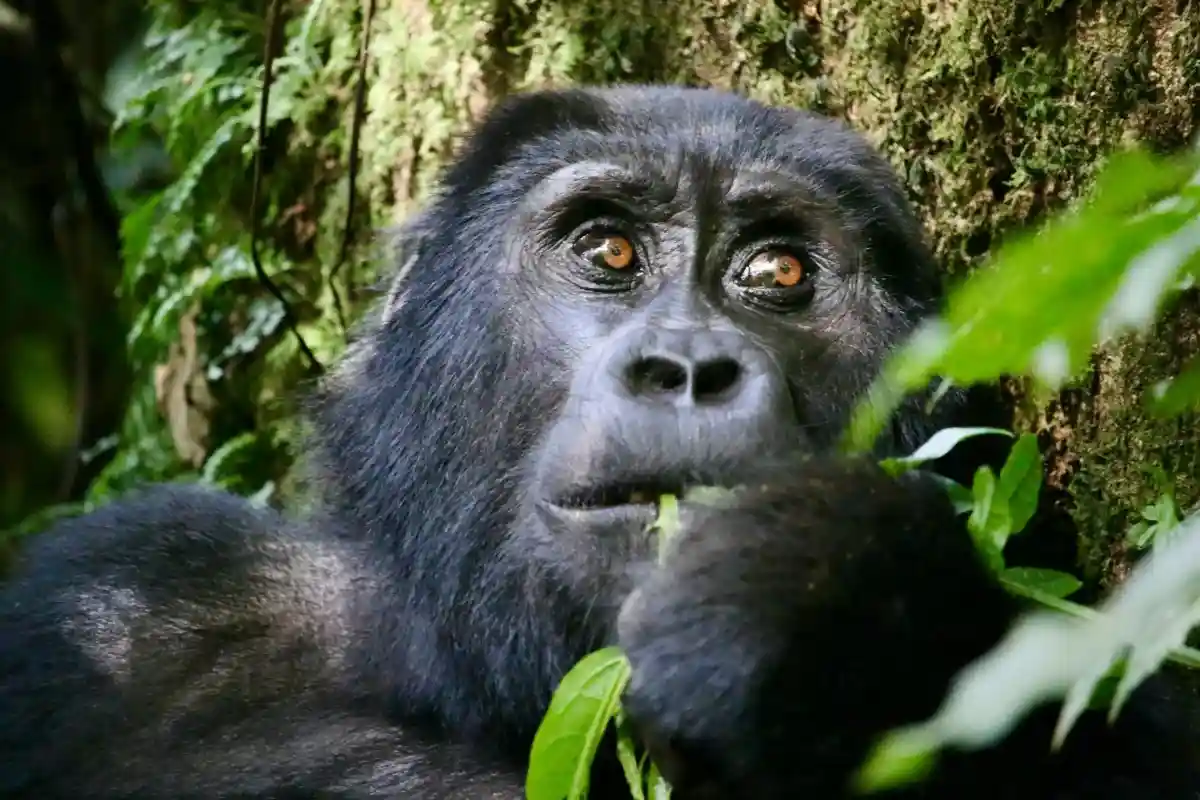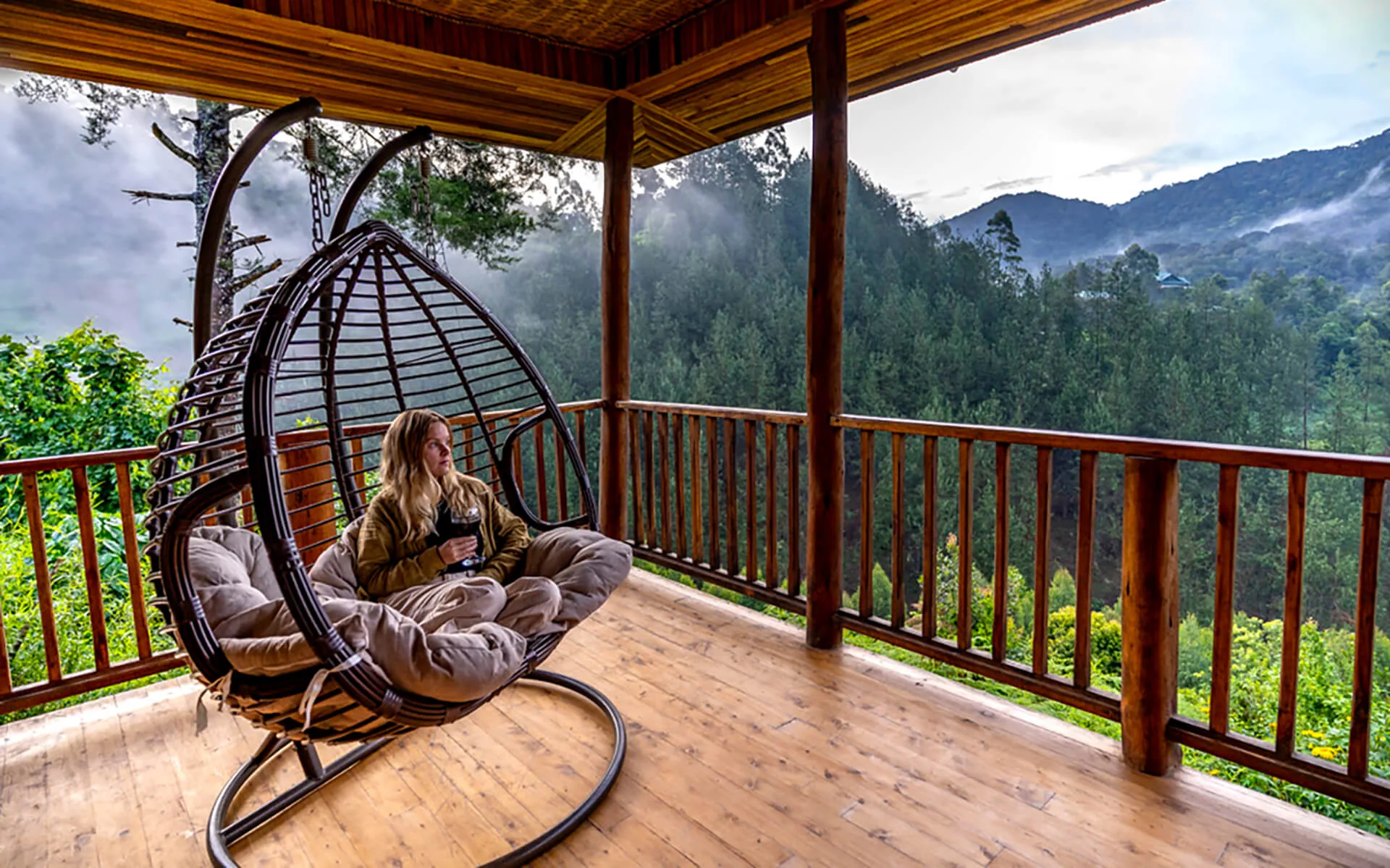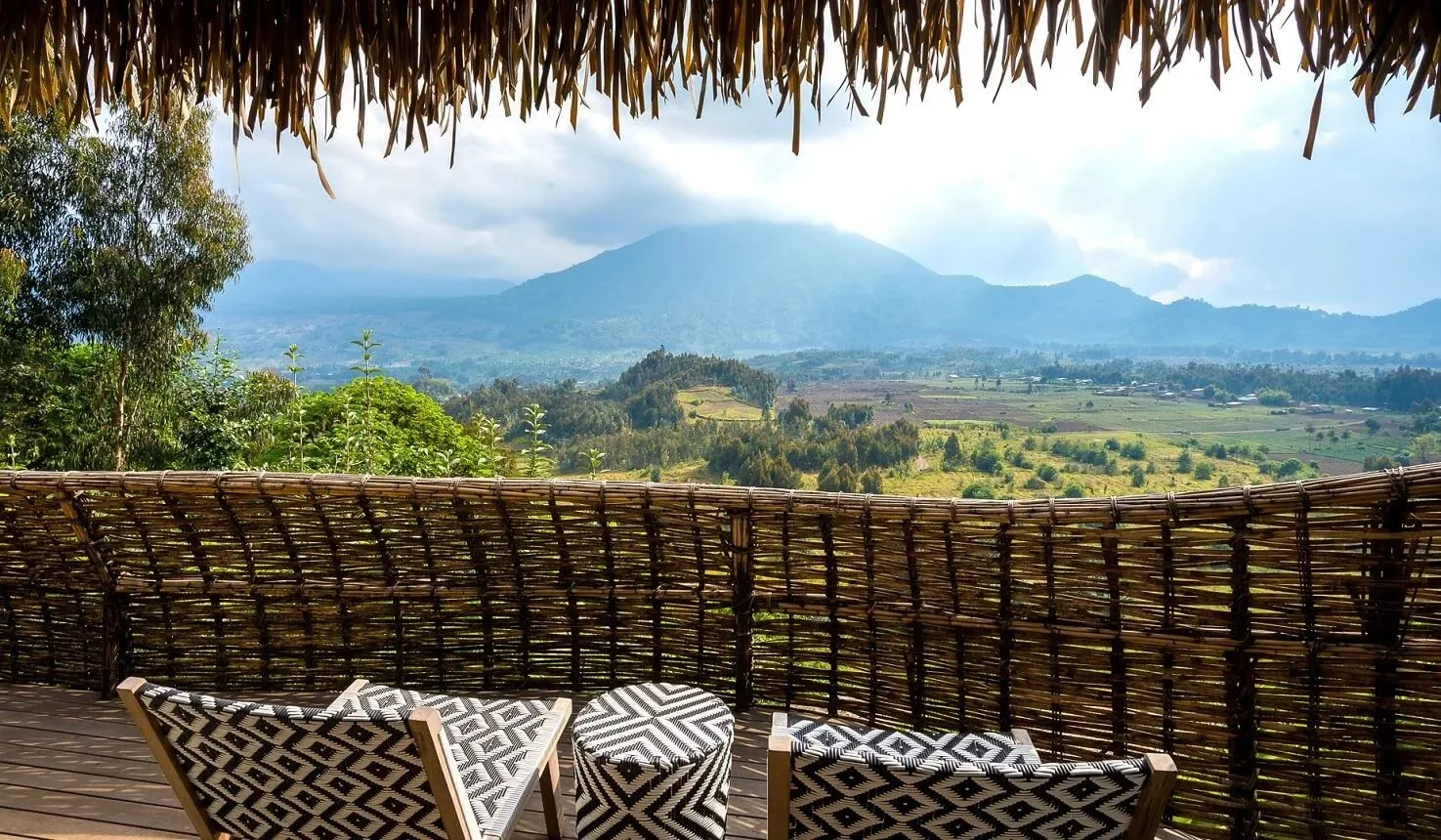

This is Uganda's smallest national park and it protects the Ugandan slopes of the Virunga volcanoes. Mgahinga forms part of the only habitat on earth where mountain gorillas survive in the wild, its bamboo forests and afro-montane vegetation supporting one habituated gorilla group. The park's high-altitude location creates conditions found nowhere else in Uganda. The park supports mountain gorillas and golden monkeys alongside smaller species adapted to high-altitude forest. The Nyakagezi Family, the single habituated gorilla group in the area, moves between Uganda and Rwanda. Golden monkeys are more abundant in the bamboo belt, offering a faster-paced tracking experience. Three extinct volcanoes: Muhabura, Gahinga, and Sabinyo, rise within park boundaries, their summits accessible by guided hikes. The Batwa, the forest's original inhabitants, were displaced when the park was gazetted, and cultural programs now offer insight into their history and forest knowledge.

Iconic Wildlife

photo

TREE-CLIMBING LION

photo

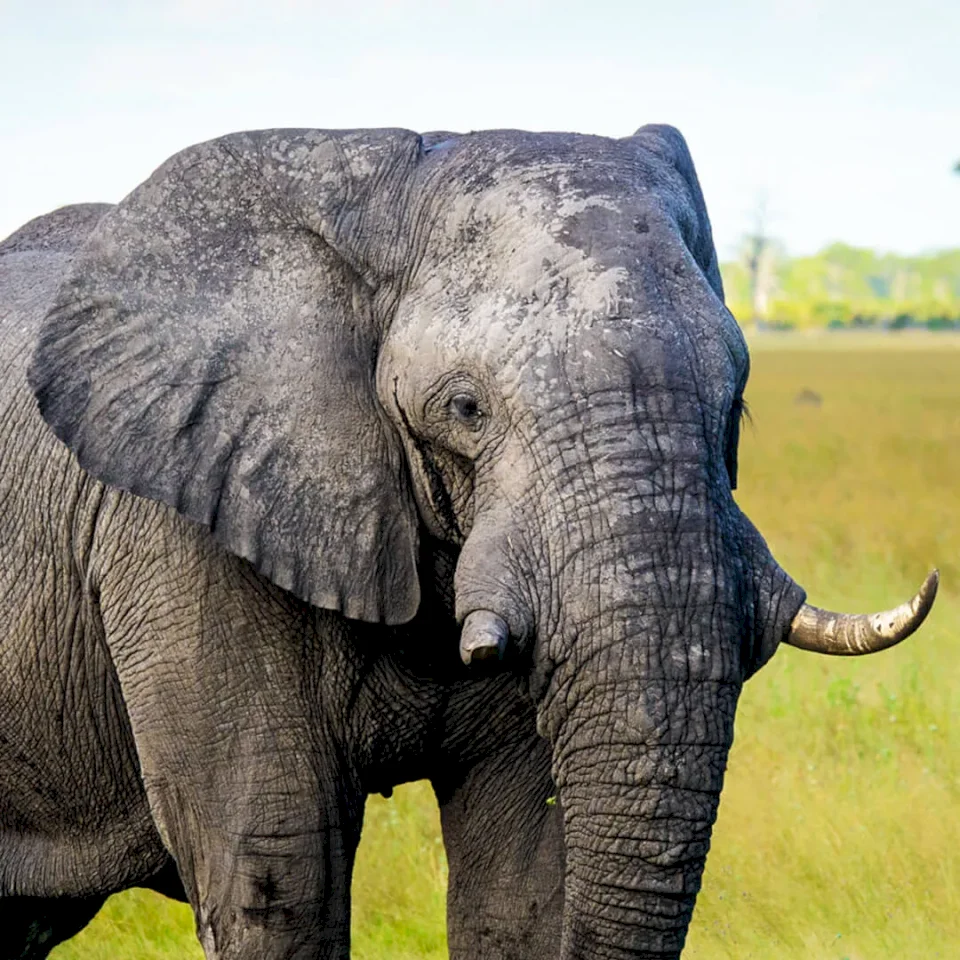
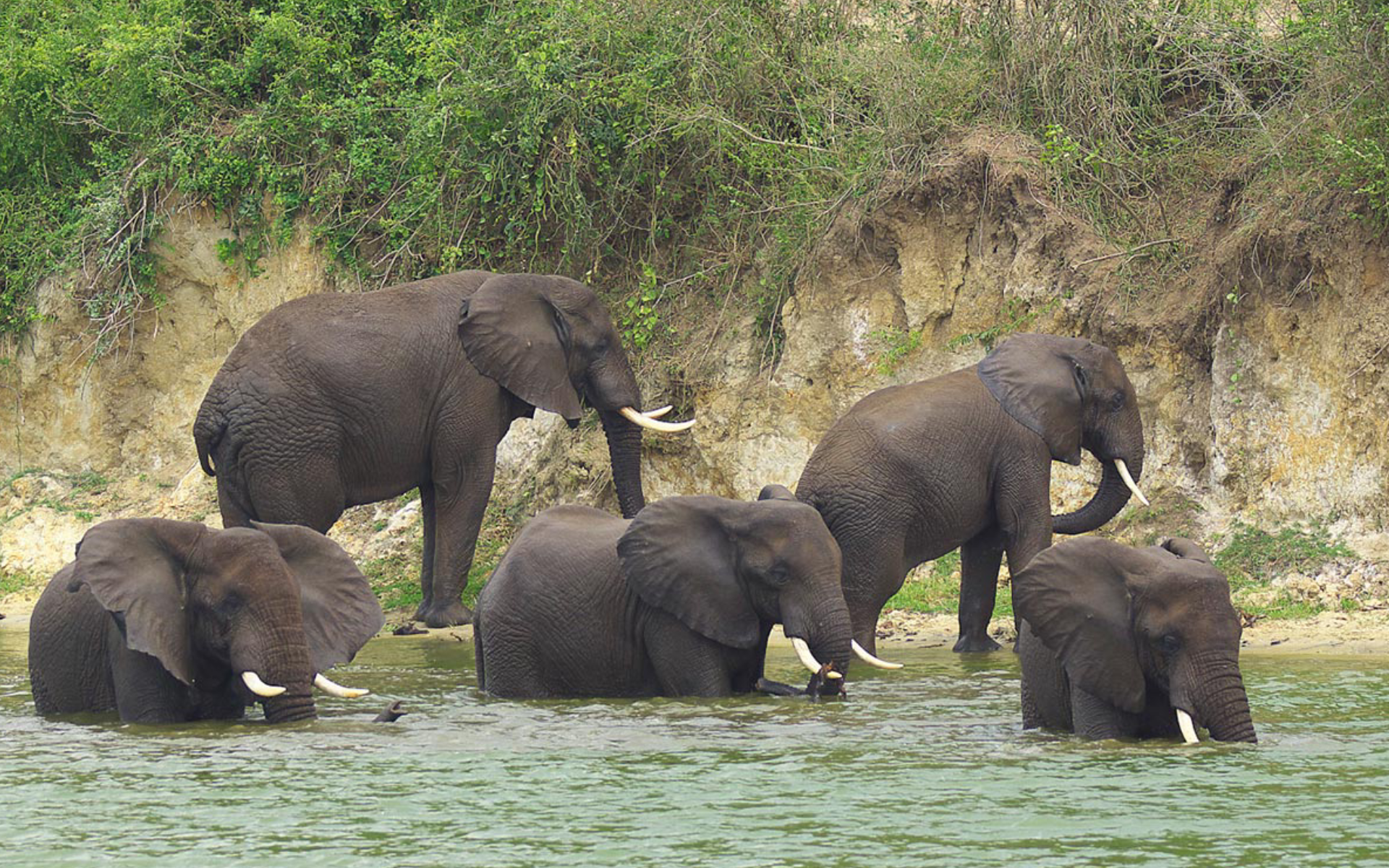
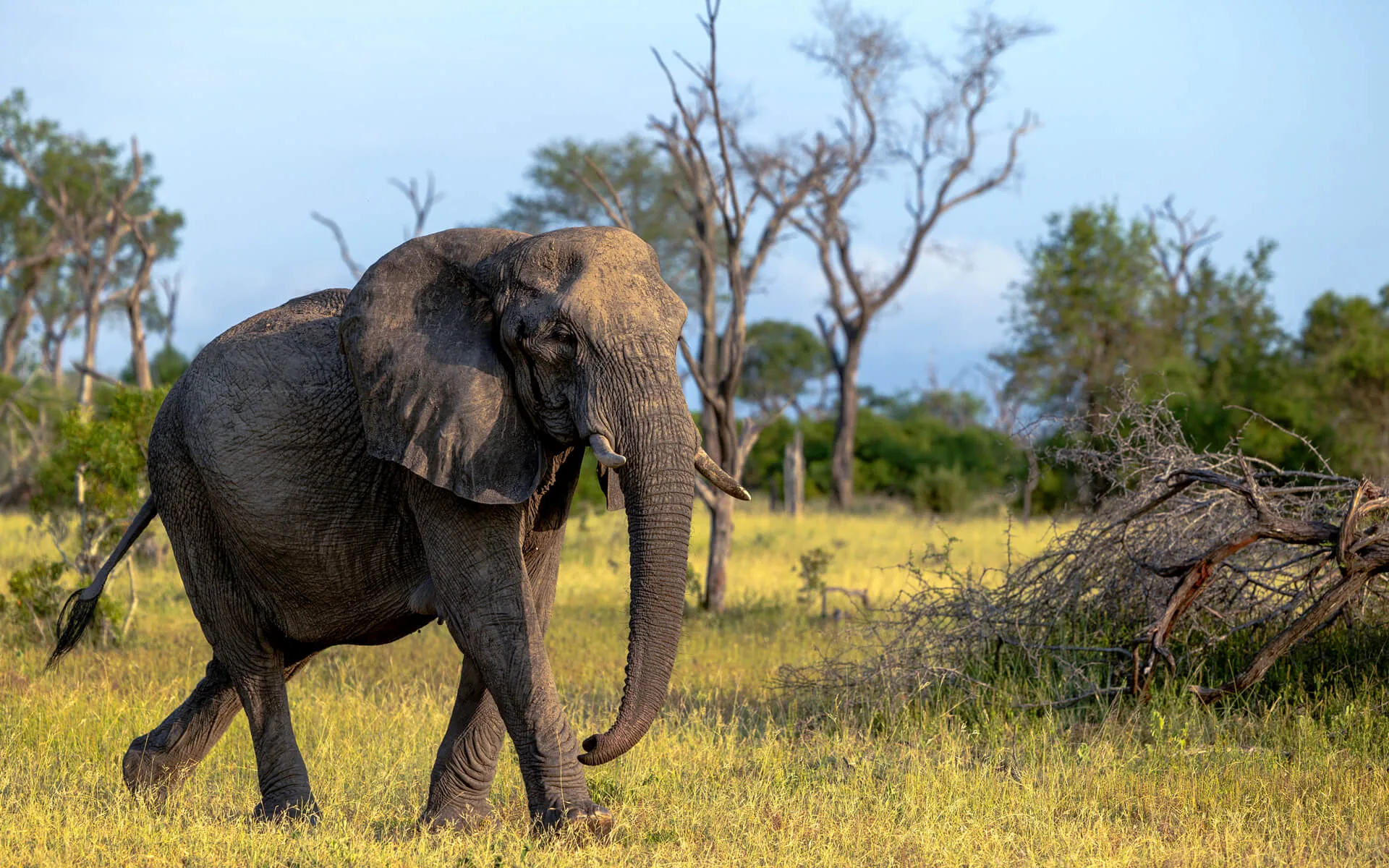
AFRICAN ELEPHANT

photo

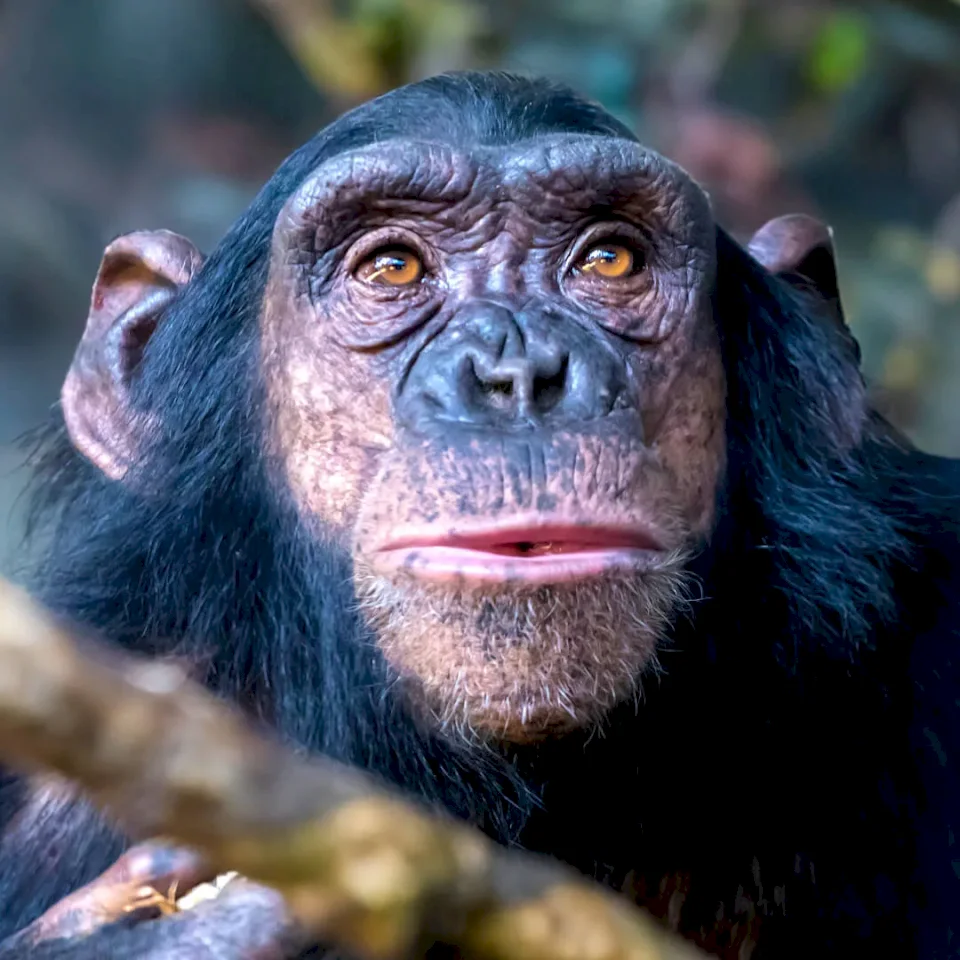
Chimpanzee

photo

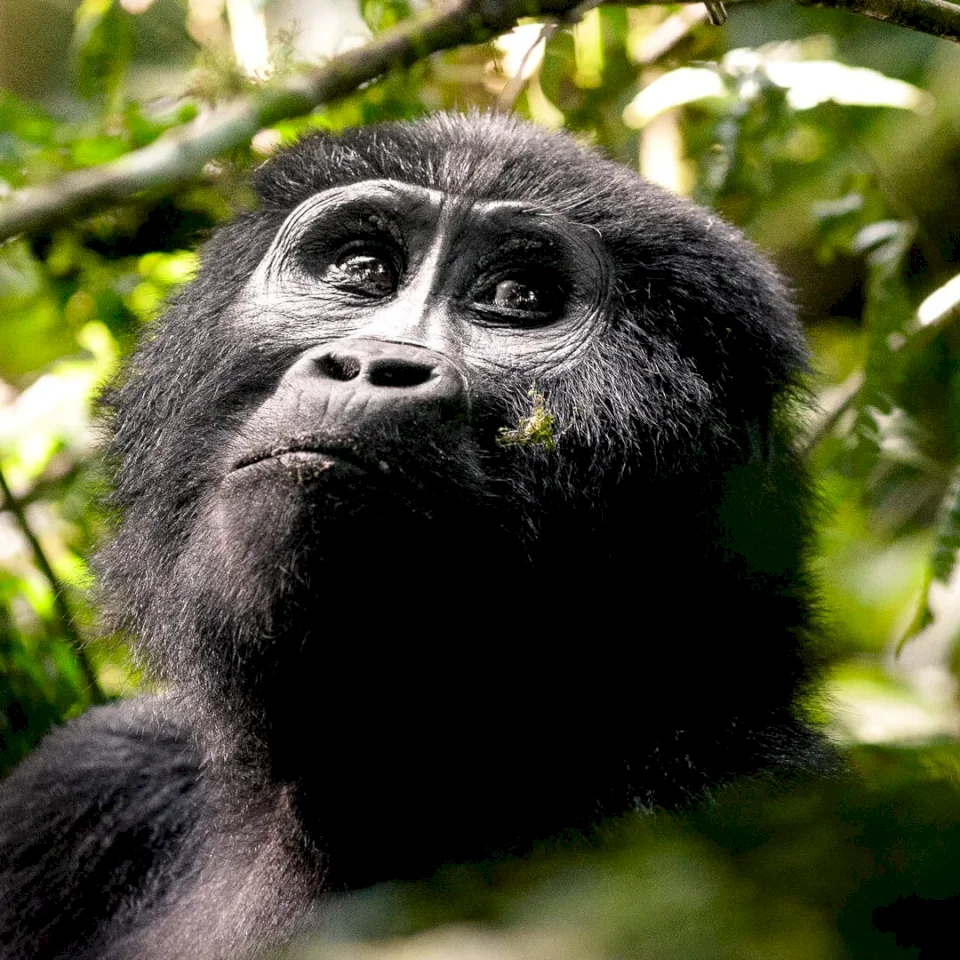
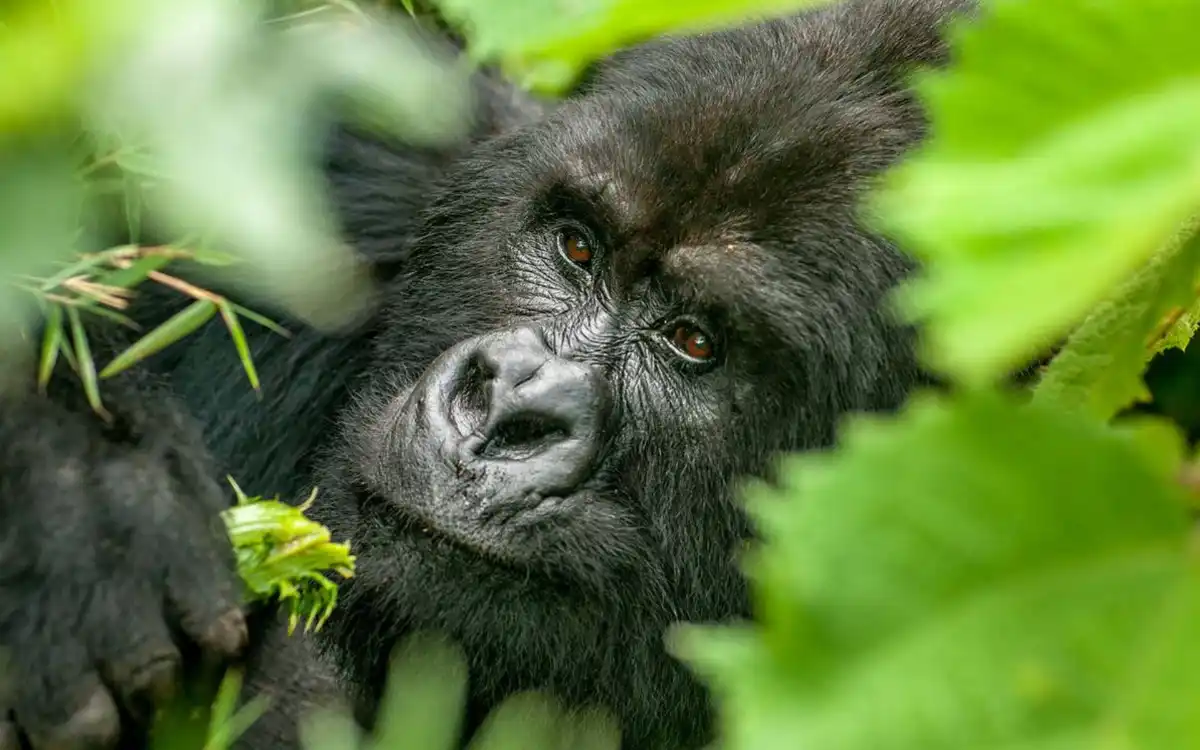
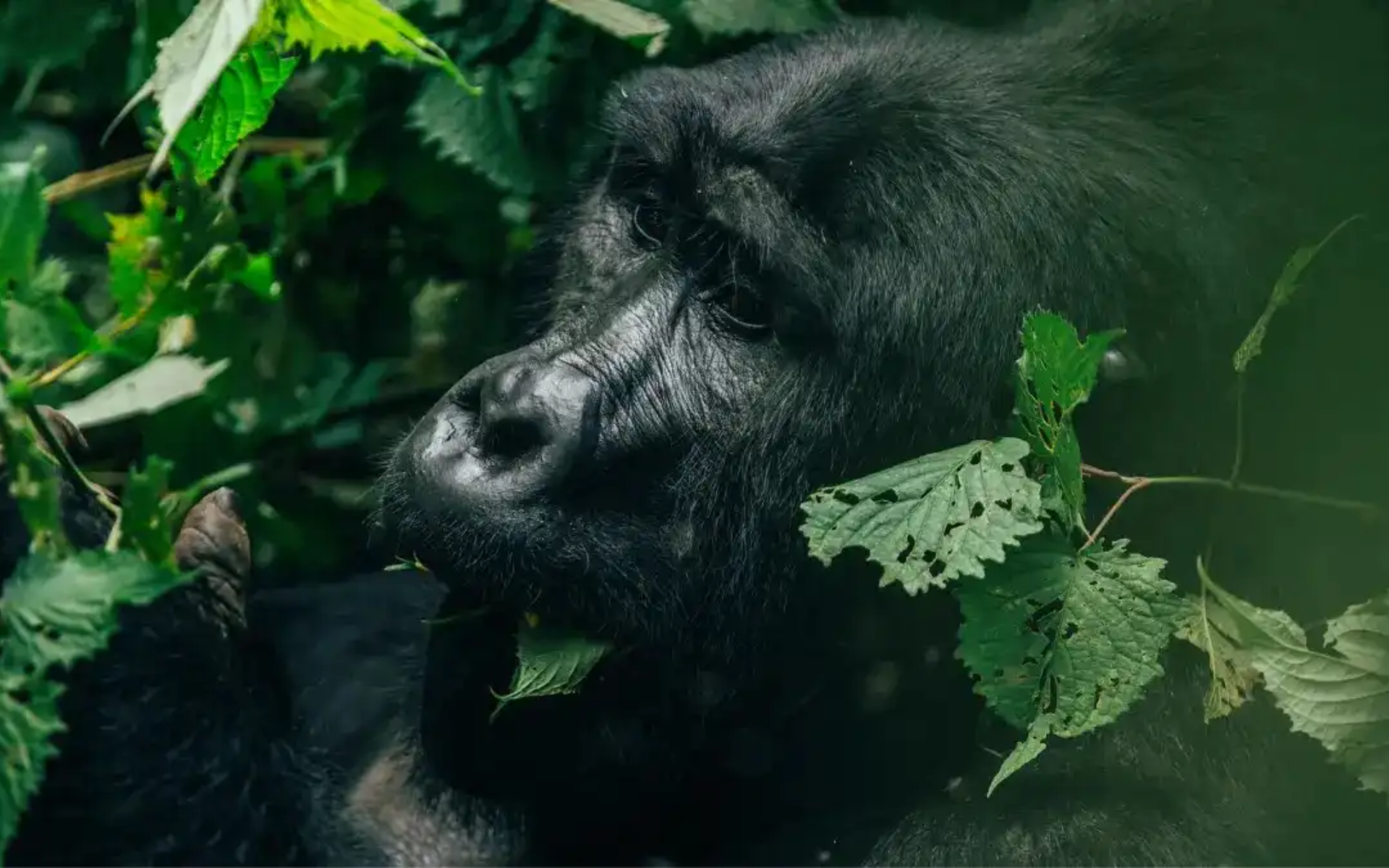
MOUNTAIN GORILLA

Park Highlights

A single habituated group moves through the park’s forests, tracked each morning by rangers before trekkers set out. The trek takes you through bamboo and montane forest, duration depending on where the group has settled. Time with the gorillas is limited to one hour, during which you observe feeding, grooming, and social interaction.

The bamboo zone supports a habituated troop of golden monekys. Tracking takes you into dense bamboo where the monkeys feed on young shoots and move quickly through the canopy. The experience offers a dynamic alternative to gorilla trekking, often completed within a few hours.

Three peaks: Muhabura, Gahinga, and Sabinyo, offer full-day hikes through changing vegetation zones. The Sabinyo summit places you at the intersection of three countries. Hikes take you from montane forest through giant lobelia and heather zones, where altitude demands physical preparation.

The Batwa lived in these forests before the park’s establishment displaced them from ancestral land. Guides demonstrate traditional hunting techniques, medicinal plant use, and fire-making.

Garama Cave extends into volcanic rock beneath the forest, historically used by the Batwa for shelter. A guided walk takes you through the cave system, where guides explain its cultural significance. The cave offers a cooler counterpoint to the forest trails above.

Our Immersive Safaris

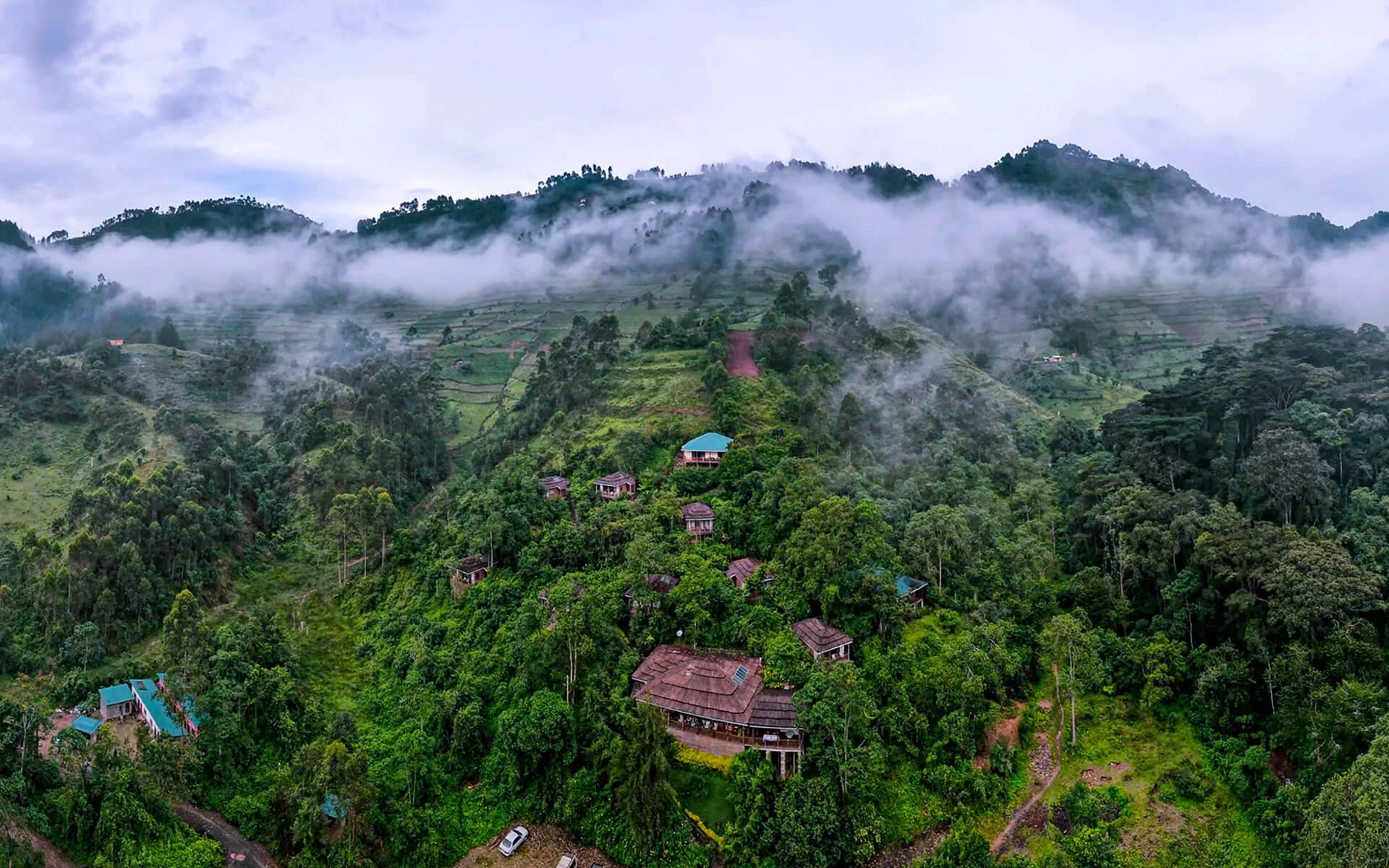
Where You'll Stay
s

Design Your African Journey

Tell us when you would like to travel, the landscapes that inspire you, and the experiences you hope to encounter. Our team will create a thoughtfully tailored safari across East Africa.

Plan You Trip