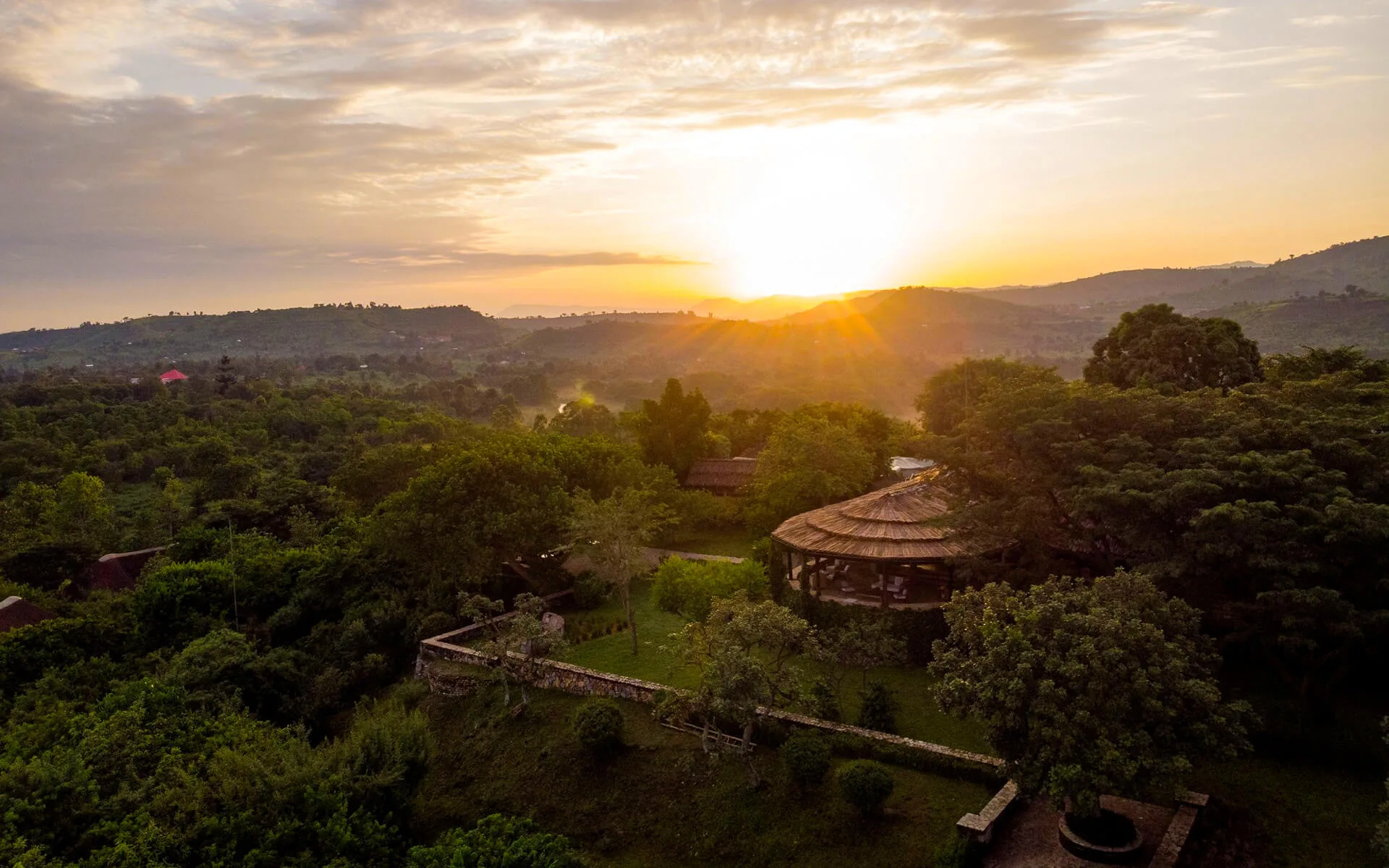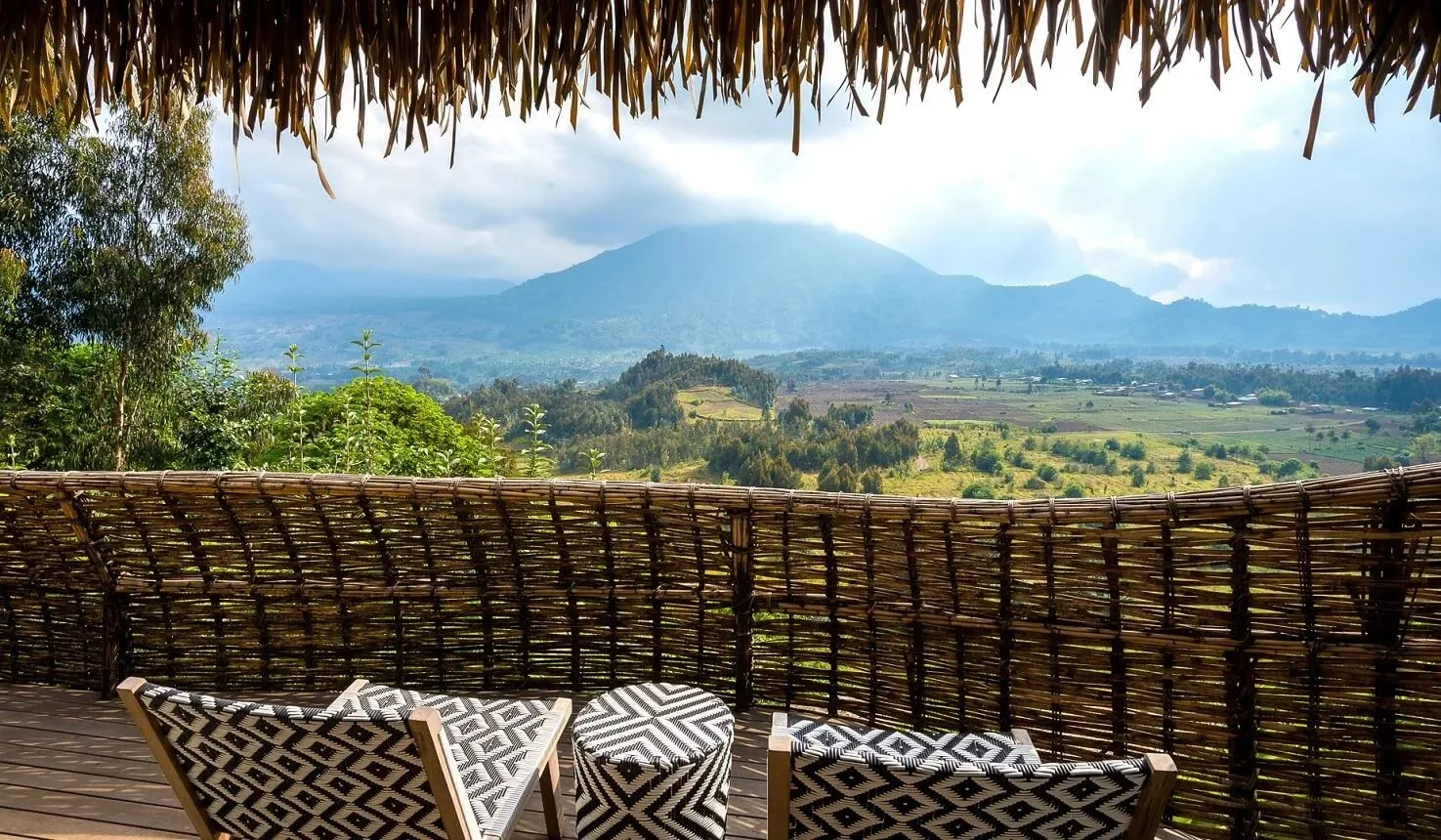

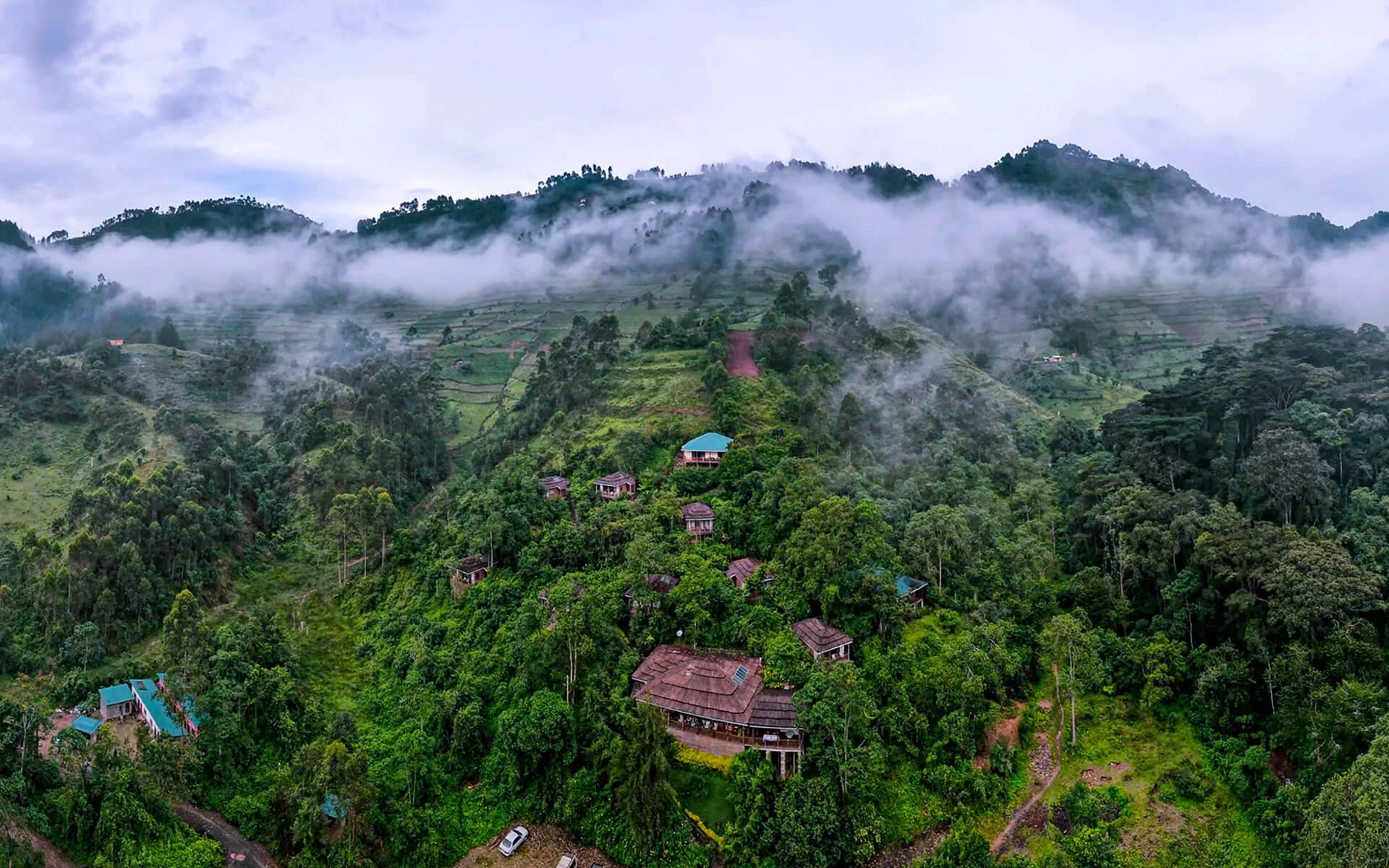
The park protects Uganda's section of this glaciated range along the western border, where faulted blocks, steep valleys, and persistent cloud create a demanding montane environment. Forest gives way to bamboo, giant heather, bog, and afro alpine moorland, while the highest ridges still hold ice, rock, and wet peat systems shaped by constant rainfall. Most visits focus on guided trekking, with routes moving through river valleys, moss forest, bog crossings, and high camps before reaching the upper cirques. Lower slopes support blue monkeys, chameleons, and Albertine Rift birds, while the higher ground carries giant lobelias, groundsels, and saturated heath. Weather changes quickly and trails stay wet underfoot, so pacing, porter support, and acclimatisation are built into every serious ascent. It is a park where geology, altitude, and drainage patterns shape the walking experience from forest section to the upper zone above.

Iconic Wildlife

photo

TREE-CLIMBING LION

photo

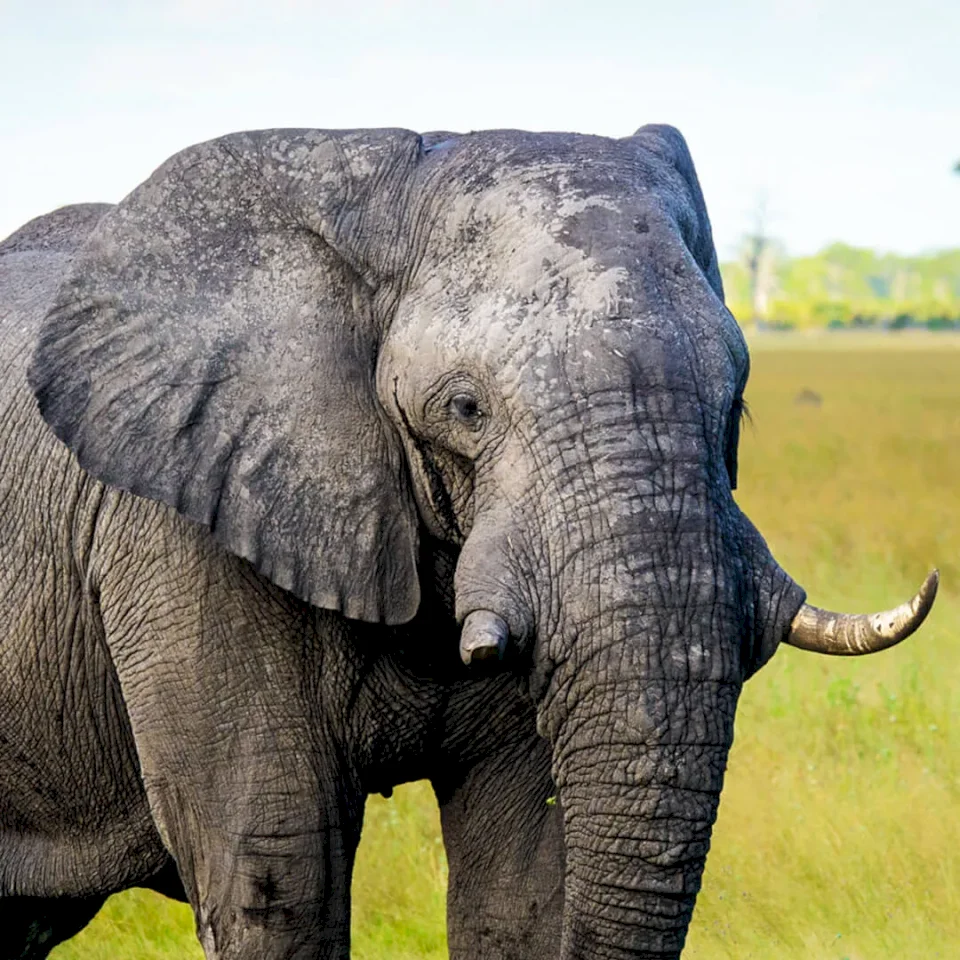
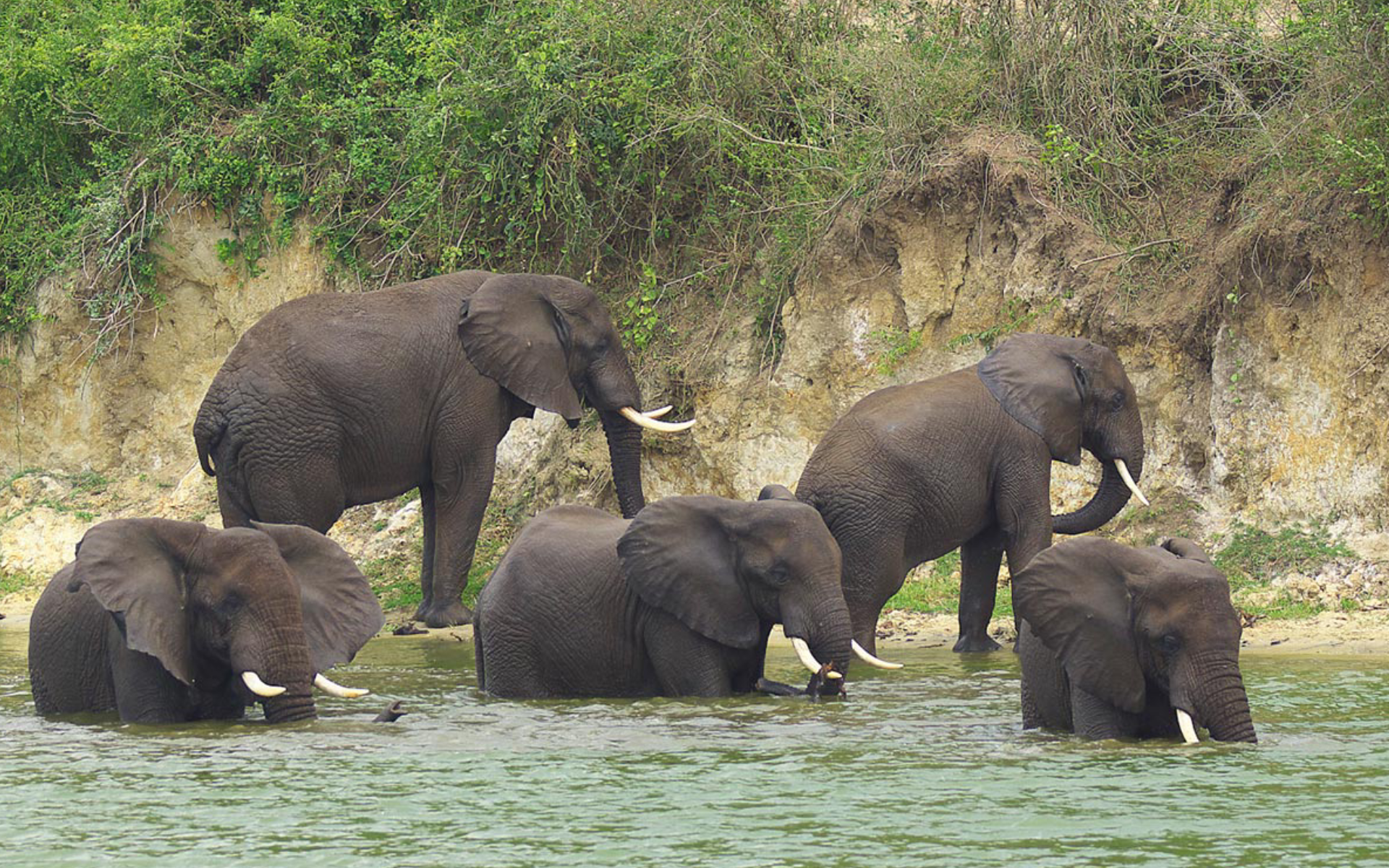
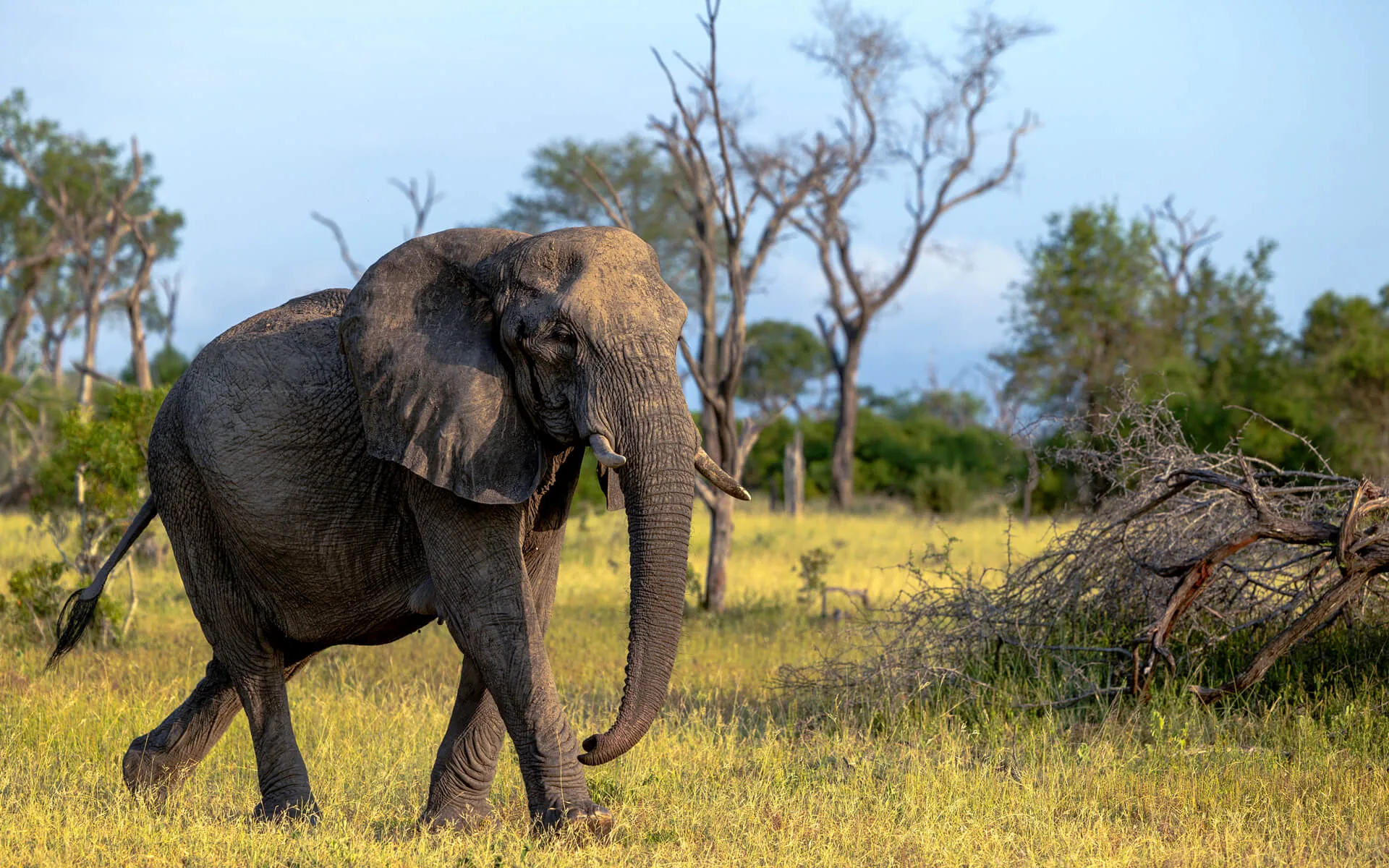
AFRICAN ELEPHANT

photo

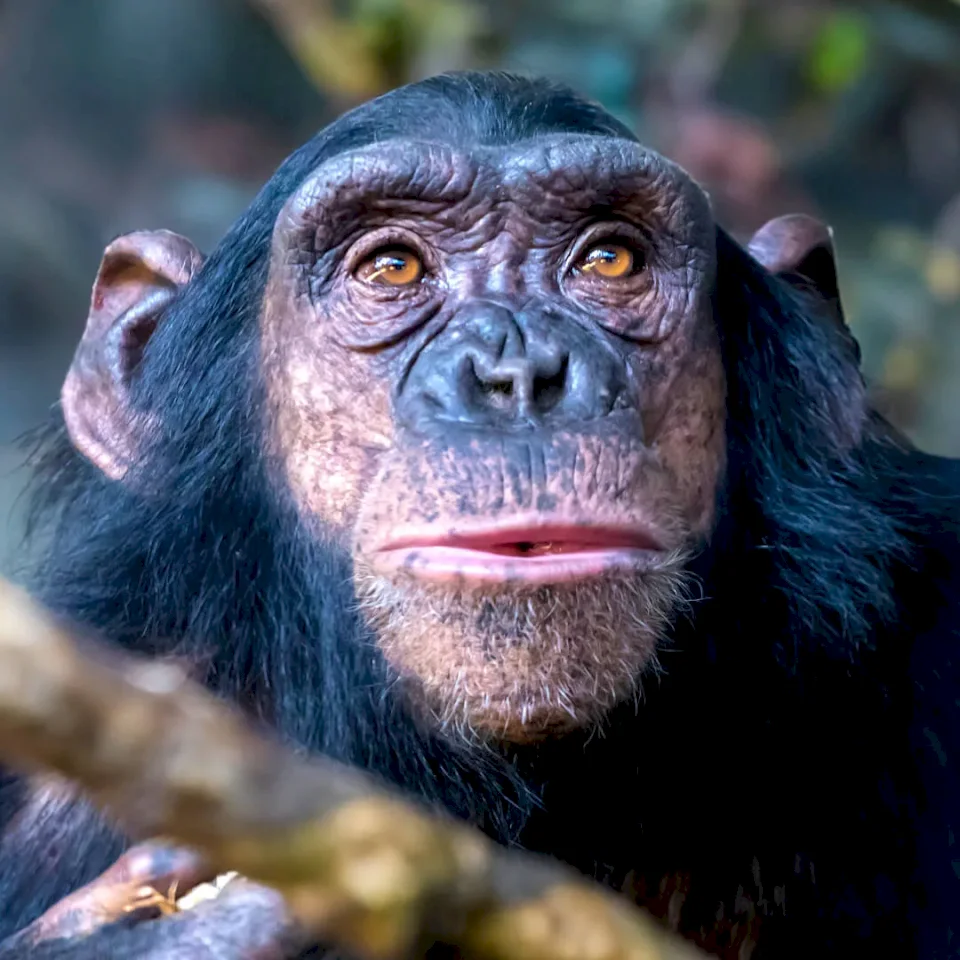
Chimpanzee

photo

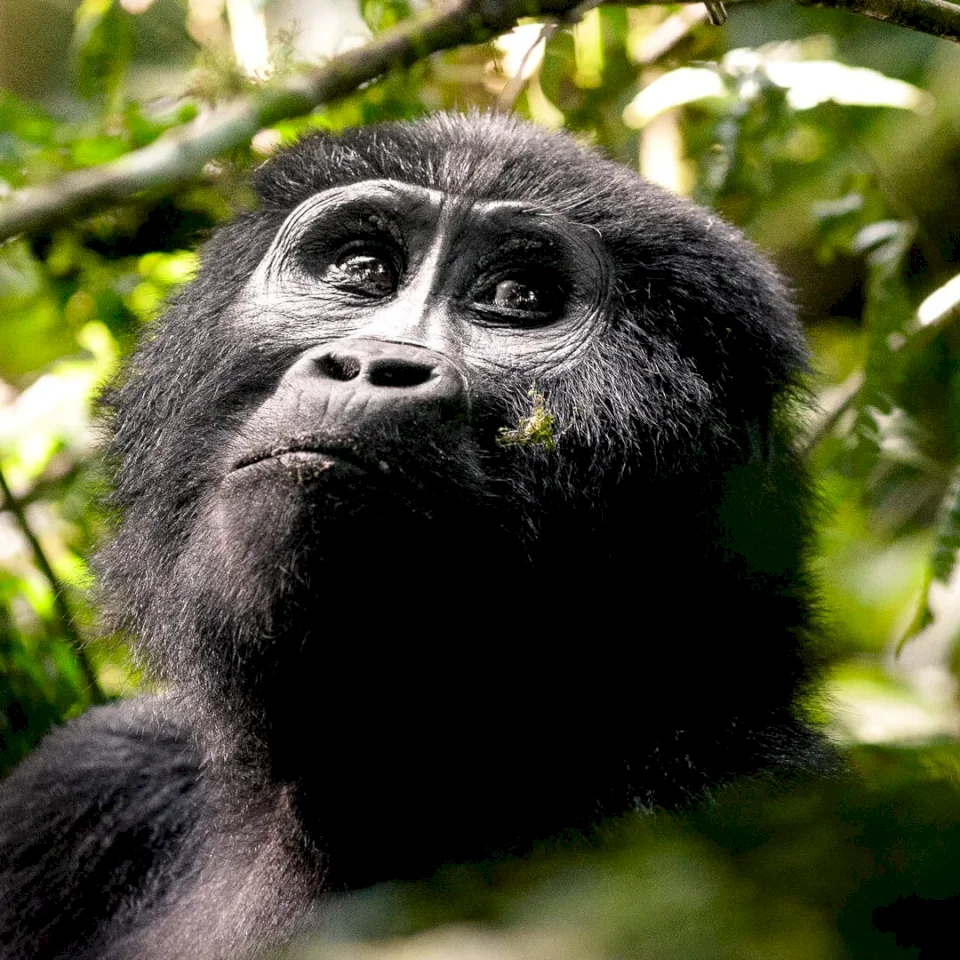
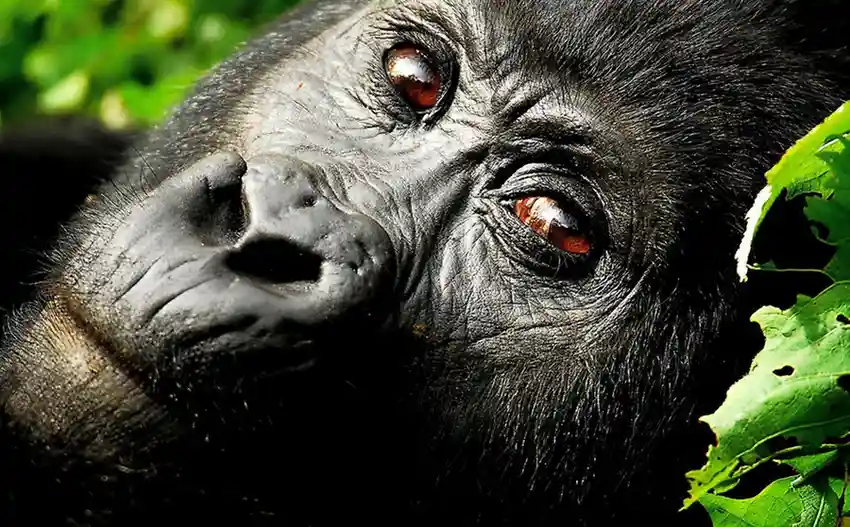
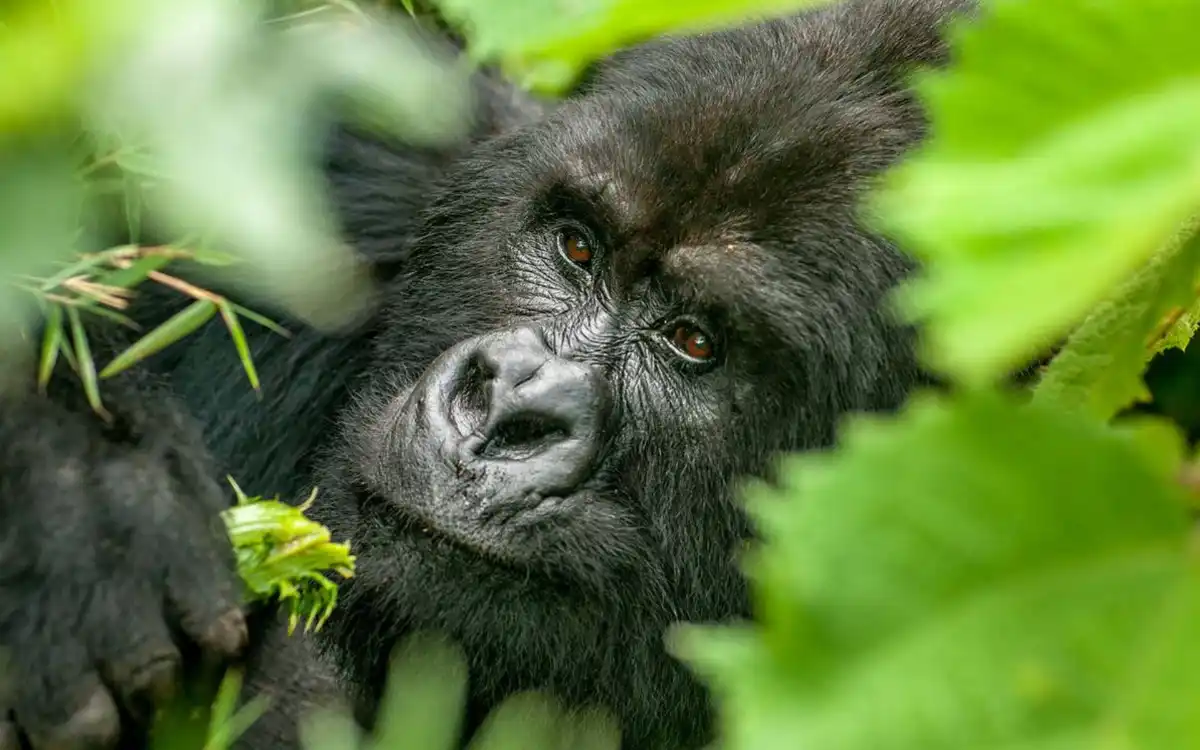
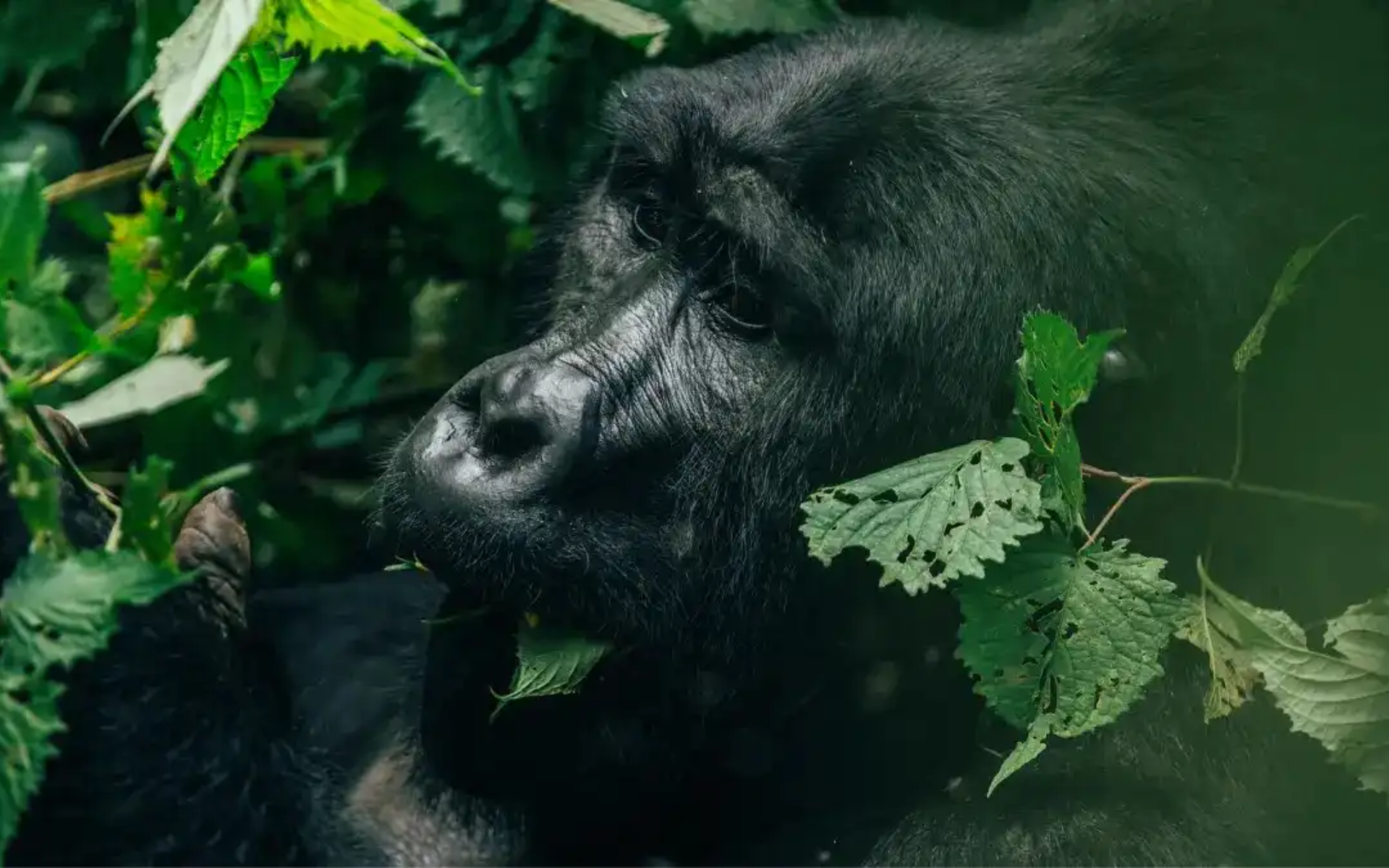
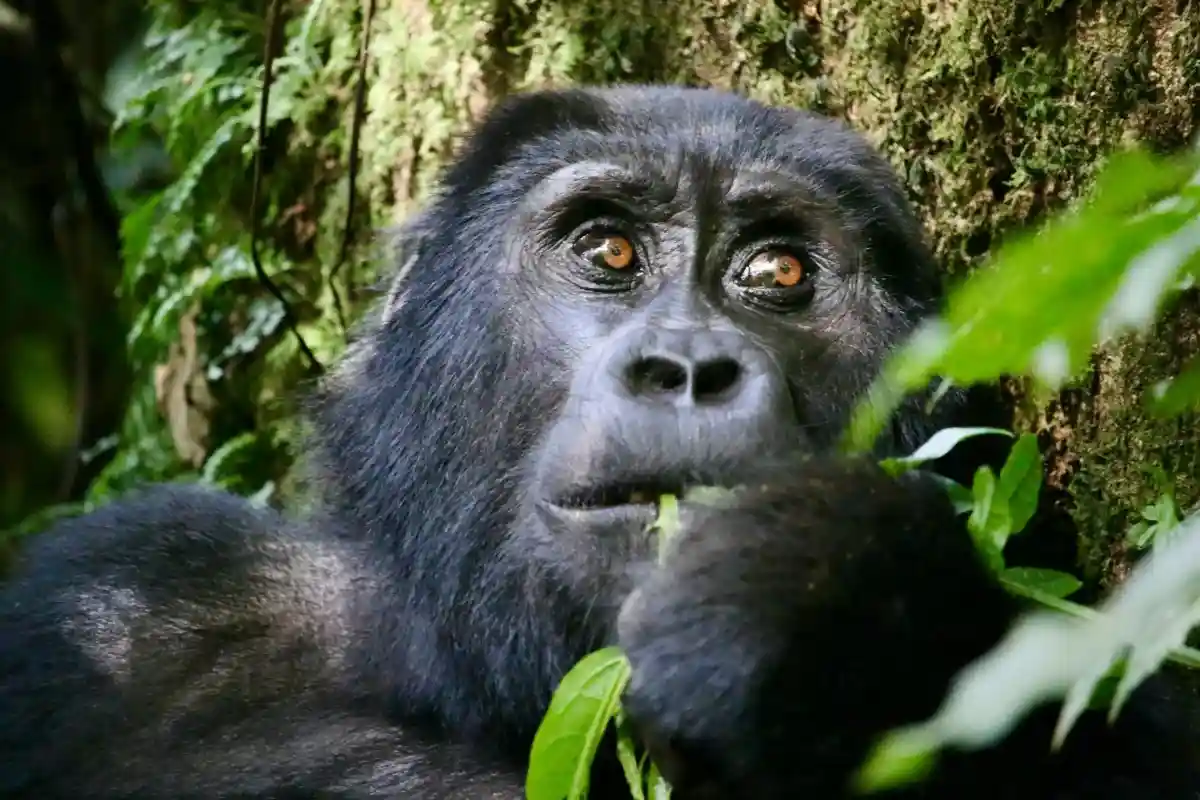
MOUNTAIN GORILLA

Park Highlights

This is the main summit objective for strong hikers aiming for the highest point on the range. The route involves glacier travel, rock scrambling, fixed rope sections, and guide supervision over several days. Conditions on the upper mountain can shift fast, so timing, footing, and altitude response are watched carefully throughout the ascent.

This circuit crosses several vegetation zones and gives a broad reading of the range beyond the summit push. Trekkers move through forest, bamboo, bog, heather, and high valleys, with hut based overnights supporting a practical route on foot across rivers, passes, and steep ascents.

Upper slopes carry giant lobelias, groundsels, moss, and heather shaped by cold nights, saturated soils, and constant mist. Guides usually explain how plant communities function across ridges, valley floors, and peat basins, where drainage and temperature control growth through the mountain.

Short guided walks on the lower slopes focus on forest structure, streams, birds, and smaller field signs along established access trails near base camp daily.

The lower and middle slopes support Albertine Rift species such as Rwenzori turaco, strange weaver, and crimsonwing. Early starts matter here, as mist, rain, and distance between sightings can shape the morning for guides working forest edge, bamboo, and streamside trail sections.

Our Immersive Safaris

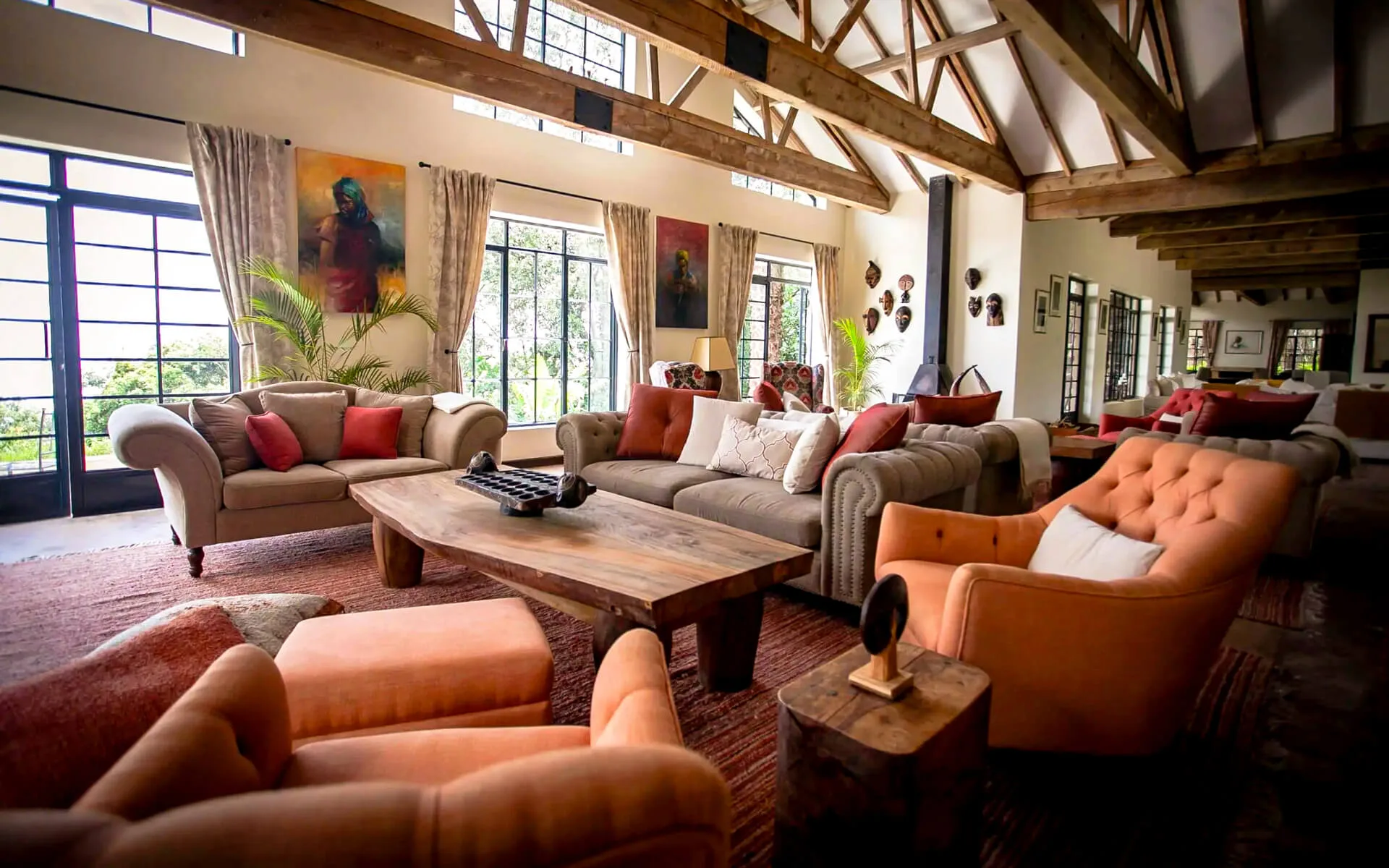
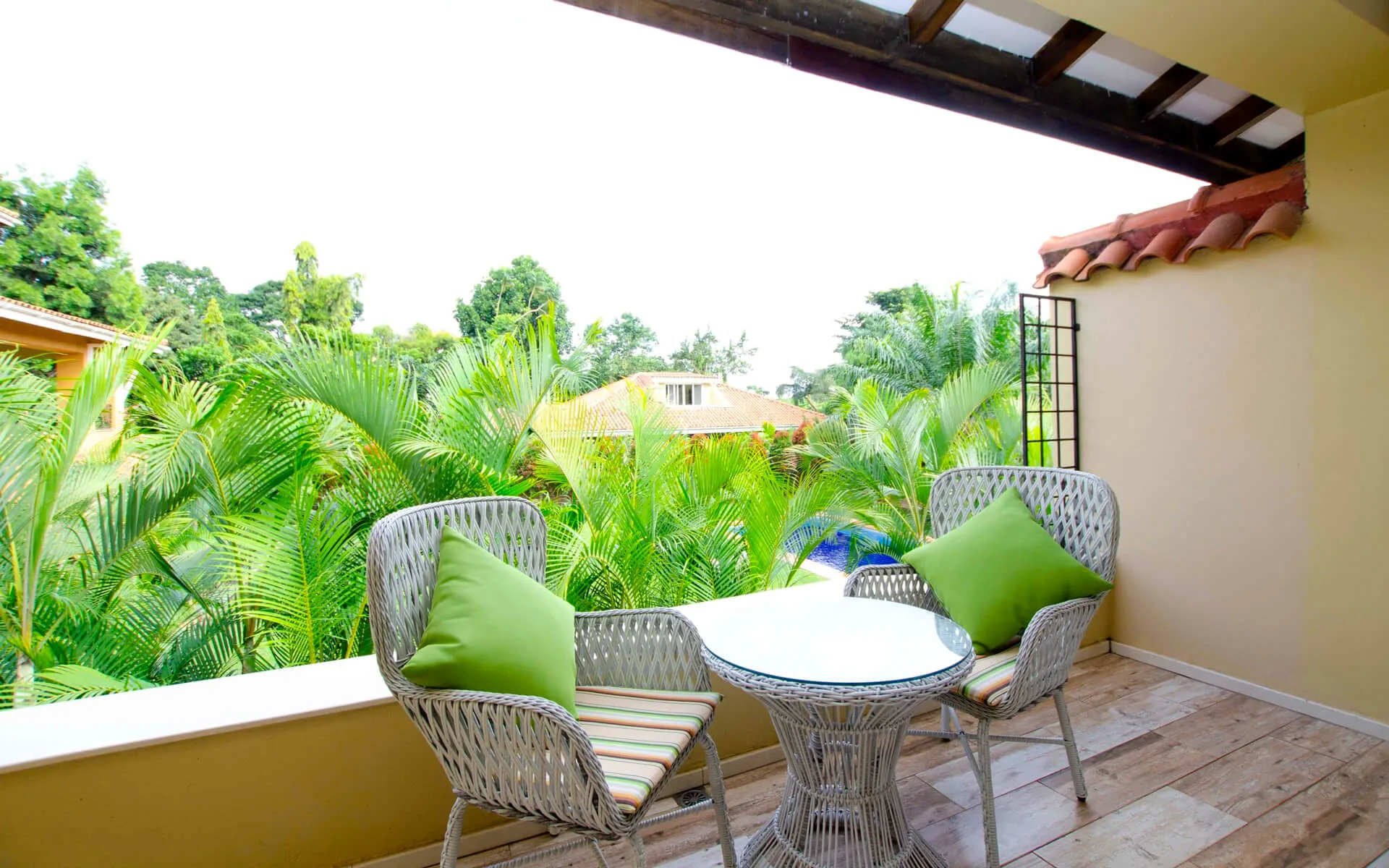
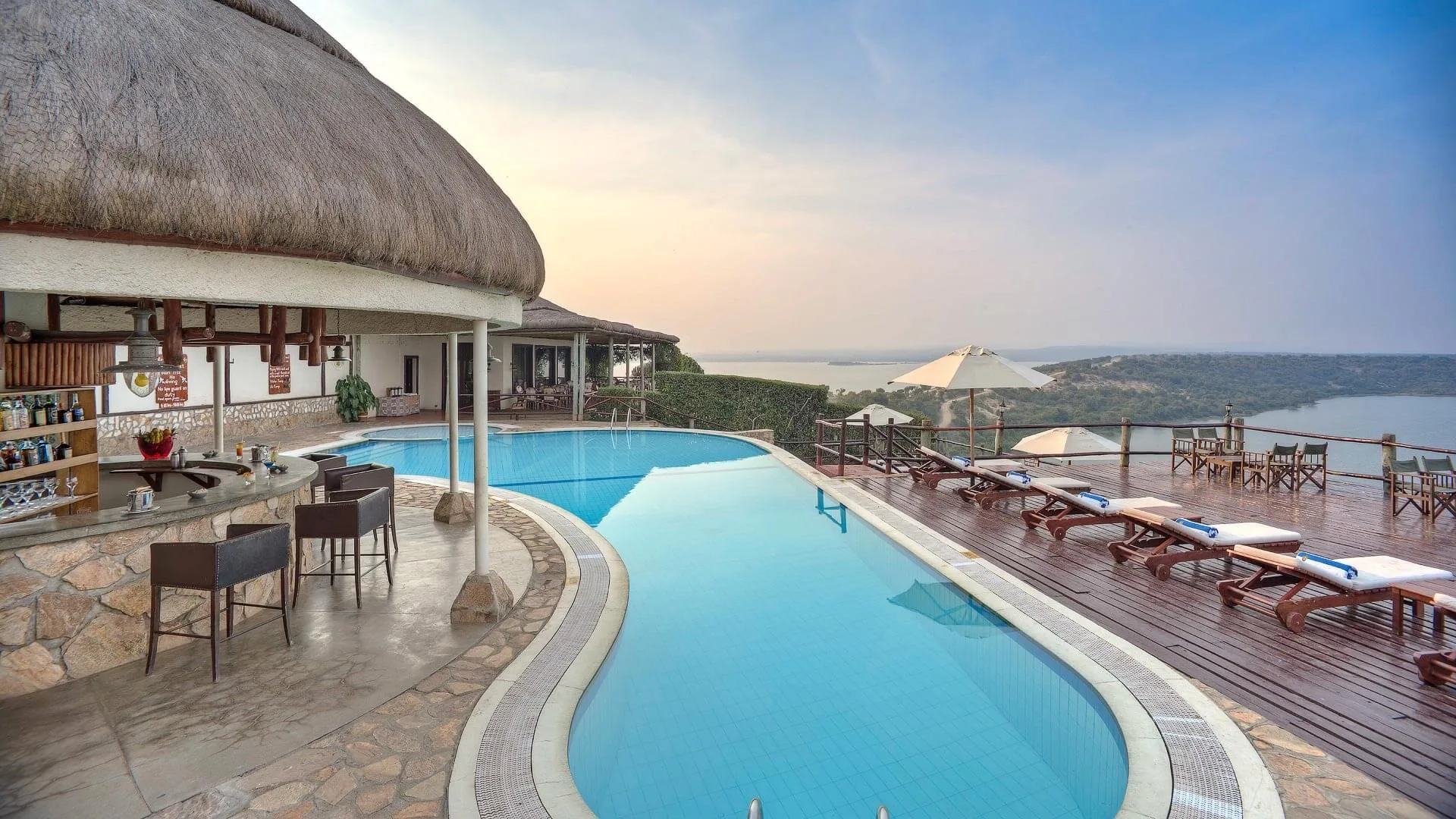
Where You'll Stay
s

Design Your African Journey

Tell us when you would like to travel, the landscapes that inspire you, and the experiences you hope to encounter. Our team will create a thoughtfully tailored safari across East Africa.

Plan You Trip